


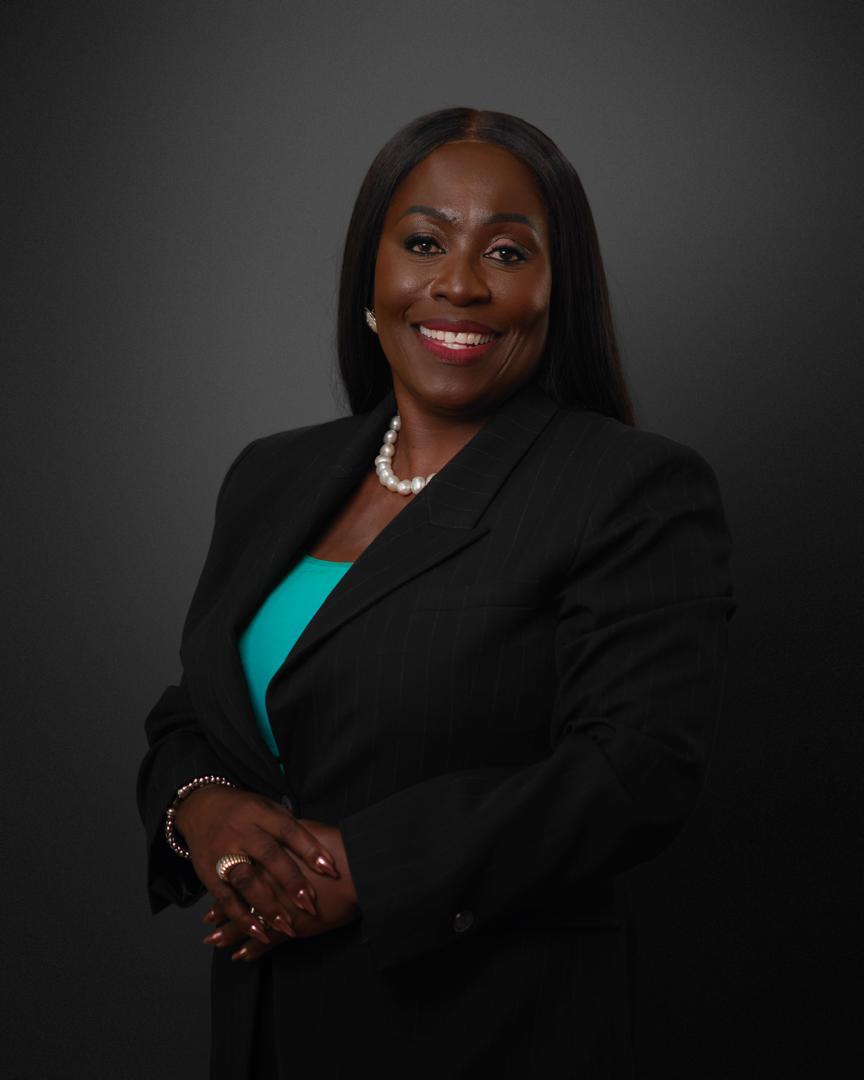

A new chapter at Ghana Gas as CEO touts performance and declaration of purpose
On a dignified national platform, Judith Adjobah Blay, Chief Executive Officer of the Ghana National Gas Company, rose to deliver a speech that was both a report of performance and a declaration of purpose.
She began by acknowledging the presence of John Dramani Mahama, President of the Republic of Ghana; Jane Naana Opoku-Agyemang, Vice President of the Republic of Ghana; Honourable Ministers and Members of Parliament; the Chief of Staff and Deputy Chief of Staff; senior public officials; colleague CEOs; media leaders; and distinguished guests.
With warmth and humility, she conveyed greetings from the Board, Management, and the hardworking staff of Ghana Gas. But beyond the formal courtesies, her message carried a deeper resonance — one of gratitude, responsibility, and transformation.
Gratitude for Leadership that Believes in Women
Judith’s words carried heartfelt appreciation for a President who believed in women’s leadership and demonstrated it through action.
She thanked the President for appointing Ghana’s first woman Vice President and for entrusting capable women across government with positions of influence and responsibility.
Then she made it personal.
She expressed profound gratitude for being appointed — as a woman and a non-engineer — to lead a traditionally male-dominated, engineering-focused institution. It was a bold choice. One that challenged long-standing assumptions about who qualifies to lead in technical spaces.
And she was determined to prove that leadership is not about gender or professional background — it is about clarity, vision, and execution.
Delivering Measurable Results
Judith stood not merely with words, but with evidence.
Under her supervision, Ghana Gas sustained uninterrupted gas operations and increased the Gas Processing Plant’s operational capacity from an average of 100 MMScf to 120 MMScf per day within a year.
This was no small feat. It required discipline, coordination, and the deliberate cultivation of a culture built on excellence, collaboration, and accountability.
When the 2025 planned shutdown maintenance period arrived — scheduled for 14 days — she chose not to supervise from a distance. For the entire two weeks, she remained with the team, ensuring swift decision-making and immediate resolution of obstacles.
The result?
The plant resumed operations in an unprecedented 10 days.
And remarkably, it was achieved at a reduced cost — perfectly aligned with the company’s cost-optimisation goals.
The Silent Beginning: Leadership Without Fanfare
Her journey at Ghana Gas did not begin with ceremony.
About a year earlier, on International Women’s Day, she assumed office quietly in the Gas House Board Room.
For three weeks, that boardroom became her strategic command center.
She met every department.
She listened.
She assessed.
It was a comprehensive diagnostic exercise — identifying strengths, weaknesses, opportunities, and threats. But beyond analysis, it served another purpose: it dispelled the myth that only engineers could understand and lead an engineering enterprise.
Leadership, she reminded her audience, is not about technical titles. It is about insight, alignment, and disciplined execution.
Ending the “Culture of False Urgency”
One of her most significant discoveries was cultural rather than operational.
Everything was labelled “urgent.”
Everything was “critical.”
The organisation was trapped in a constant state of firefighting.
She termed it the “culture of false urgency.”
Instead of reacting endlessly, she introduced structure. With the support of senior team members, Ghana Gas transitioned toward strategic planning, prioritisation, and accountability.
The shift was transformational. The noise reduced. Clarity increased. Productivity improved.
Building for the Future: Generational Investments
Having stabilised and optimised operations, Judith aligned Ghana Gas fully with the President’s national development vision.
The next phase is ambitious and future-focused:
- Addition of a Third Compressor
- The Takoradi–Tema Pipeline
- Gas Processing Plant II (GPP II)
These are not routine corporate projects. They are generational investments — designed to strengthen energy security, stimulate industrial growth, and anchor Ghana’s long-term economic development.
Her message was clear: Ghana Gas is not just managing infrastructure; it is building the backbone of national transformation.
The Media as Strategic Partners
Judith did not overlook the critical role of the media.
She described the media not as critics at the gate, but as strategic partners in national development.
Ghana Gas has intentionally invested in:
- Sponsorship support
- Periodic media training on gas operations
- Annual media soirées for open dialogue
- Academic scholarships, particularly to strengthen energy reporting among women
The objective is straightforward: equip journalists with the knowledge and access required to report accurately and responsibly.
In return, she called for collaboration grounded in transparency, accountability, and mutual respect.
“Ask questions. Demand clarity. Hold us accountable,” she urged.
But let the engagement be constructive and informed.
At Ghana Gas, she emphasized, “friends from the media” is not a slogan — it is literal.
A Message to Women Leaders: Do Not Just Occupy Space
Turning to the women gathered in public service and media, her voice carried conviction:
Competence knows no gender.
Leadership knows no gender.
Impact knows no gender.
She encouraged women not merely to hold positions but to transform the spaces they occupy.
At Ghana Gas, this philosophy has taken practical form through the formation of Gas Ladies — a mentorship and empowerment initiative aimed at multiplying capable female leadership within the organisation.
Her vision is simple: do not be the only one. Clone yourself.
Strengthening Public Trust and the Resetting Agenda
She concluded with sincere appreciation to the Office of Government Communication for conceptualising the programme that brought them together — a platform that increases visibility of leadership and strengthens public trust in governance.
Her closing words were not just ceremonial; they were patriotic:
“God bless our homeland, Ghana, and make her great and strong.”
And as she stepped away from the podium, one thing was clear:
This was not merely a speech.
It was a statement of accountable leadership, disciplined transformation, and a bold affirmation that excellence has no gender.

DONATION TO SUPPORT THIS WEBSITE: 0599896099 +233599896099 Thank you for your contribution!


