


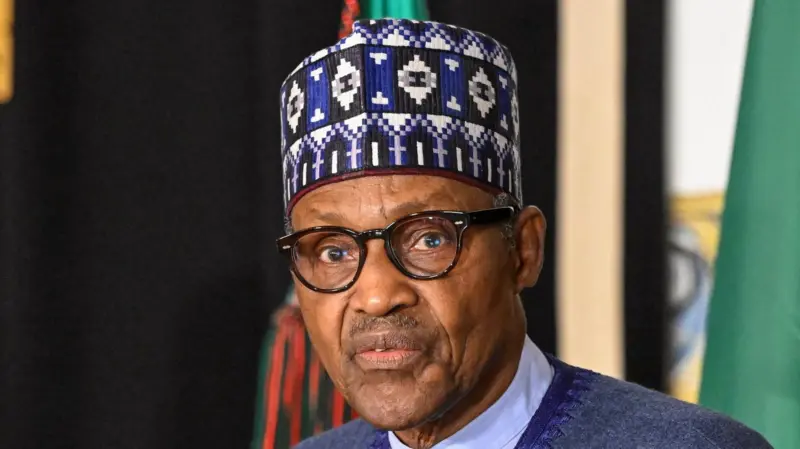

Ex-Nigerian President Muhammadu Buhari dies at 82
A life of power and paradox
Former Nigerian President Muhammadu Buhari, who died aged 82 in a London clinic, leaves behind a legacy that continues to polarize Nigerians. A military man turned elected leader, Buhari stood at the crossroads of two radically different eras in Nigeria’s political evolution—first as a stern military ruler in the 1980s, and later as a twice-elected civilian president.
Though widely respected for his personal integrity, Buhari’s administration was also defined by economic hardship, persistent insecurity, and a reputation for slowness in governance. He passed away after reportedly falling ill during a medical trip to the UK in April.
From the Barracks to the Ballot Box
Born in December 1942 in Daura, Katsina State, Buhari joined the Nigerian Army shortly after independence. Trained in the UK and steeped in military discipline, he quickly rose through the ranks, becoming military governor of the North-East and later Federal Commissioner for Petroleum under the Obasanjo regime.
In 1983, amid growing national discontent, he emerged as Nigeria’s military head of state following a coup. His 20-month rule was characterized by an aggressive “War Against Indiscipline,” aimed at eradicating corruption and waste. While some remember the era for its rigid order, others recall repressive measures, curtailed press freedoms, and economic hardship.
The Reformer Who Promised Change
After spending 40 months in detention following a counter-coup in 1985, Buhari re-entered public life as a born-again democrat. His 2015 election was historic—the first time a sitting Nigerian president was defeated at the ballot box. Backed by a coalition of opposition parties, Buhari presented himself as the antidote to corruption and ineptitude.
Re-elected in 2019, Buhari’s presidency promised transformation. His military background was seen as a strength in fighting the Boko Haram insurgency. But his record on security ultimately fell short, with escalating violence by bandits, jihadists, and Fulani-herder clashes in central Nigeria.
An Economy in Decline
Despite early hopes, Buhari’s tenure coincided with economic freefall. A crash in oil prices and a controversial rice import ban led to widespread inflation and soaring food prices. The iconic 50kg bag of rice, once 7,500 naira under his predecessor, skyrocketed to over 60,000 naira under his rule—becoming a symbol of declining living standards.
Policies like the naira swap, intended to curb electoral corruption, backfired by crippling cash access for millions. It was seen by some as a veiled attempt to thwart his party’s candidate, Bola Tinubu, from succeeding him.
‘Baba Go Slow’: The Pace of Change
Nicknamed “Baba Go Slow”, Buhari was criticized for a sluggish administrative style. It took him six months to form his first cabinet. While he blamed systemic bureaucracy, many saw it as a reflection of indecision.
Even his wife, Aisha Buhari, publicly criticized the slow pace of reform, at one point threatening to withhold her support during his re-election campaign.
An Honest Man in a Crooked System
To his supporters, Buhari remained incorruptible—a man of simple tastes who shunned personal enrichment. His modest lifestyle and refusal to exploit power for gain distinguished him in a country where political graft is rampant.
But critics argue that his anti-corruption drive lacked institutional depth, targeting opponents more aggressively than allies, and failing to reform the entrenched systems of mismanagement.
Health and Transparency Questions
Buhari’s health challenges marked his presidency. Lengthy absences, especially in his first term, raised concerns, but transparency was limited. While Nigerians speculated about their president’s fitness, the administration remained tight-lipped.
Family and Final Days
Buhari was married twice—first to Safinatu Yusuf, and then to Aisha Halilu, who survives him. He fathered 10 children and was deeply rooted in northern Nigeria’s conservative Islamic culture.
After stepping down in 2023, he largely retreated from public life. His final months were marked by illness, culminating in his death at a London medical facility, a place he frequently visited during his presidency for undisclosed treatments.
Legacy of a Reluctant Politician
Muhammadu Buhari was never a natural politician. Austere, taciturn, and disciplined, he stood apart from Nigeria’s flamboyant political elite. His supporters saw him as a symbol of integrity and national pride, while his critics saw a leader out of touch with modern governance demands.
His death closes a complex chapter in Nigerian history—one marked by military toughness, democratic aspiration, and the enduring struggle to bring accountability and prosperity to Africa’s most populous nation. Whether he succeeded or failed will remain the subject of debate for years to come.

DONATION TO SUPPORT THIS WEBSITE: 0599896099 +233599896099 Thank you for your contribution!


