



FIDA-Ghana reacts to CJ’s suspension
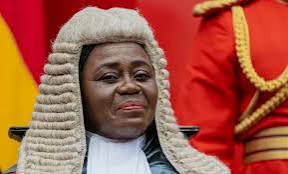
In an unprecedented development that has sent shockwaves through Ghana’s legal and political landscape, the suspension of the sitting Chief Justice, Mrs. Gertrude Araba Esaaba Sackey Torkornoo, has ignited a nationwide conversation about judicial independence, gender representation in leadership, and the need for constitutional reforms. The International Federation of Women Lawyers (FIDA) Ghana has issued a strong statement condemning the suspension, raising alarm over its wider implications.
A symbol of justice under threat
The office of the Chief Justice is more than just an administrative position—it is the moral compass of the judiciary and a key pillar in Ghana’s democratic architecture. FIDA-Ghana emphasized that Mrs. Torkornoo, one of the few women to have ever held this esteemed office, represents not only legal authority but also the progress made in women’s leadership. Her suspension, according to FIDA, threatens the independence of the judiciary and shakes the confidence of citizens in the legal system.
Due process or political interference?
While the Government may possess the authority to investigate or even remove high-ranking officials, FIDA-Ghana insists that such actions must be grounded in transparency and constitutional legality. The Federation warns that the lack of clear, publicly stated reasons for the Chief Justice’s suspension could be perceived as politically motivated, a trend that appears to surface particularly during changes in government leadership.
Gender and governance: A setback for equality
FIDA-Ghana expressed deep concern about the growing pattern of sidelining women from strategic constitutional and leadership positions, especially during governmental transitions. According to the group, this not only weakens institutional memory and stability but also sends a discouraging signal to women aspiring to serve in public office. The suspension of Mrs. Torkornoo thus risks becoming a cautionary tale rather than a case of accountability, unless handled with utmost integrity.
Legal gaps and vulnerable institutions
The Federation pointed to significant constitutional and legal loopholes that make it easier for political authorities to interfere with independent institutions. Without stronger protections and guarantees of tenure for officeholders, FIDA argues, the very foundation of democracy could erode. The current situation underscores the urgency for legislative reforms that shield key positions from arbitrary dismissals and political whims.
Unfulfilled promises: The Affirmative Action Act
FIDA-Ghana also turned the spotlight on the Government’s failure to fulfill its commitments under the Affirmative Action (Gender Equity) Act 2024 (Act 1121), which mandates a minimum of 30% female representation in decision-making roles. The group called this failure not just a legal lapse but a betrayal of the NDC-led government’s promises outlined in the “Resetting Ghana Manifesto.”
FIDA-Ghana’s call to action
In conclusion, FIDA-Ghana has outlined a three-point demand:
1. Transparency and Resolution: Urging an open and prompt process to address the allegations and allow the Chief Justice to resume her duties if found innocent.
2. Reform and Protection: Recommending immediate constitutional reforms to protect leaders of independent institutions from unjust removal.
3. Equity in Leadership: Calling for the full implementation of the Affirmative Action Act as a matter of national justice and democratic credibility.
A moment of reckoning
As the country watches this legal and political drama unfold, FIDA-Ghana’s statement serves as a poignant reminder of the fragile balance between power and principle. The suspension of Chief Justice Torkornoo is not just a personnel issue—it is a test of Ghana’s commitment to justice, gender equity, and democratic resilience.
Read the full press statement:
PRESS RELEASE ON SUSPENSION OF CHIEF JUSTICE

DONATION TO SUPPORT THIS WEBSITE: 0599896099 +233599896099 Thank you for your contribution!


