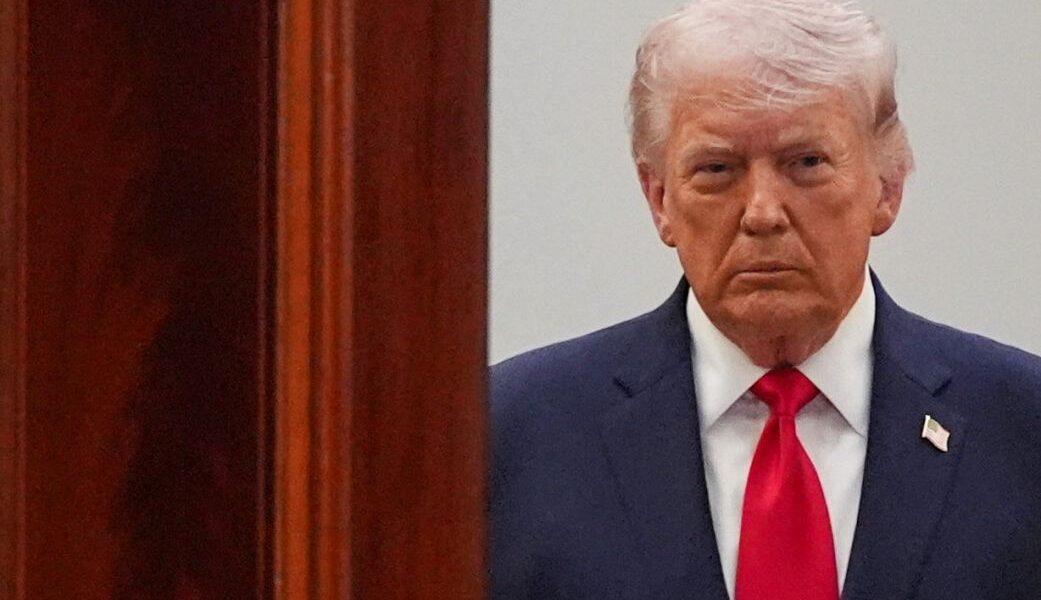

The right celebrated Trump’s Iran ceasefire
A ceasefire that sparked celebration
When news broke that Donald Trump had secured a ceasefire with Iran, many voices on the American right erupted in celebration. For Iran hawks, it appeared to be another example of Trump defying critics and delivering what they often call an “Art of the Deal” victory.
The agreement, announced amid an intense and volatile conflict, was initially framed as a strategic triumph—proof that strength and unconventional negotiation tactics could force adversaries to the table.
From applause to anxiety
But the mood shifted بسرعة. By the next morning, celebration had given way to unease. Key details of the ceasefire remained unclear, and for many conservative figures, those unknowns were troubling.
At the center of the concern was Iran’s nuclear program. There was little clarity on what would happen to uranium enrichment—long considered a red line in US policy toward Iran.
Compounding the worry, Trump described a 10-point Iranian proposal as a “workable basis” for negotiations. Critics quickly pointed out that Iran’s publicly known version of the plan heavily favored Tehran, including demands for sanctions relief, reparations, and recognition of its right to enrich uranium.
Confusion over competing plans
The White House attempted to contain the backlash. Press secretary Karoline Leavitt clarified that Trump had been referring to a separate, private framework—not the public Iranian proposal, which she dismissed as “unserious.” She reiterated that the administration’s position had not changed: Iran must end uranium enrichment.
Yet the lack of transparency only deepened skepticism. Without concrete details, even Trump’s allies found themselves questioning what exactly had been agreed to behind closed doors.
The Strait of Hormuz Dilemma
Perhaps the most alarming issue for critics was the apparent role of the Strait of Hormuz in the deal.
This narrow waterway is one of the most critical النفط routes in the world. Control over it means influence over global energy markets—and, potentially, the international economy.
Reports suggested Iran could gain some level of control over the strait as part of the ceasefire. Iranian media even indicated restrictions on tanker traffic following regional escalations.
For analysts like Fareed Zakaria, such a concession was deeply troubling. He described control of the strait as a “weapon” more practical than nuclear arms—one capable of reshaping global power dynamics.
A controversial ‘beautiful idea’
Adding fuel to the debate, Trump floated an unconventional proposal: a joint US-Iran venture managing the strait, potentially charging tolls to passing ships.
“It’s a beautiful thing,” he said in an interview, suggesting economic cooperation between longtime adversaries.
The idea stunned many observers. While Trump has long favored dealmaking—even with rivals—the notion of partnering economically with Iran struck critics as dangerously optimistic, if not outright unrealistic.
Voices of Dissent on the Right
Some of the strongest pushback came from within Trump’s own سیاسی camp. Lindsey Graham, a leading Iran hawk, initially praised Trump but quickly issued warnings.
He stressed that Iran must not be rewarded for actions that disrupted global shipping and called for congressional oversight of any final agreement.
“Allowing this regime to enrich in the future,” he argued, “would be an affront” to those affected by the conflict.
Media figure Mark Levin echoed similar concerns, warning that Iran remained a دشمن that could not be trusted. He dismissed Tehran’s proposal as “an absolute disaster” and argued that lasting peace would require far more than a ceasefire.
Republican caution and quiet resistance
Not all criticism was loud, but it was present. Lawmakers like Don Bacon and Ben Cline expressed skepticism about allowing Iran to benefit economically from control of the strait.
Their tone was measured, reflecting a broader hesitation within the Republican Party: balancing loyalty to Trump with concerns about national security and long-term strategy.
A Fragile Political Balancing Act
Trump’s سیاسی strength has often relied on his ability to shape narratives—and bring his base along with him. But this moment may prove more complicated.
For many on the right, Iran represents a line that cannot be blurred. The idea of concessions, especially those involving uranium enrichment or strategic السيطرة over global shipping routes, challenges deeply held positions.
Figures like Graham and Levin are not just reacting—they are actively trying to shape the outcome, pushing for a harder line as negotiations continue.
The negotiations beyond the negotiations
As formal talks with Iran move forward, another negotiation is unfolding داخل the United States—within Trump’s own coalition.
The question is no longer just whether a ceasefire will hold, but what kind of deal will emerge from it—and whether Trump’s allies will ultimately accept it.
For now, the ceasefire stands as both an achievement and a test: a moment of apparent victory shadowed by uncertainty, where the real battle may be over the terms of peace itself.