
COMAC CEO questions timing of fuel tax cuts
A policy move that raised eyebrows
The Chief Executive Officer of the Chamber of Oil Marketing Companies (COMAC), Riverson Oppong, found himself caught between approval and skepticism when the government announced a temporary suspension of some fuel taxes.
Speaking on the Asaase Breakfast Show on Friday, April 10, Oppong described the decision as both “expected and surprising.” While acknowledging that intervention was necessary to ease pressure on consumers, he questioned why the move came at a time when global crude oil prices were already beginning to stabilize. To him, the timing raised a fundamental question: if the worst of the global price shocks had passed, what urgency justified the sudden policy shift?
A decision without full disclosure
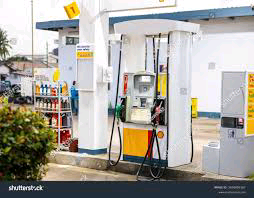
The government’s directive—issued through the Finance and Energy Ministries—aims to reduce fuel prices in the next pricing window by suspending selected taxes and margins for four weeks. But for Oppong and others in the industry, the announcement felt incomplete. Without clarity on which specific taxes or margins would be affected, oil marketing companies are left to speculate. Oppong warned that premature excitement could be misleading.
“We have suspects,” he said, “but until we hear from them, it might be too early to even rejoice.”
This lack of detail has created uncertainty in an already delicate pricing system, where even small changes can have wide-reaching effects.
Why relief won’t come overnight
Despite public anticipation, Oppong was quick to temper expectations. Ghana’s fuel pricing system does not allow for instant adjustments. Instead, it operates on a structured window system.
According to him, any benefits from the tax suspension will only be felt from the next pricing window, expected to begin around April 16.
In other words, “immediate” does not mean instant. He also highlighted a broader issue: the lag between global oil price changes and local pump prices. Even when international prices fall, it takes time before those reductions are reflected domestically.
The transparency debate
Beyond pricing concerns, Oppong used the moment to spotlight a deeper issue—transparency. He specifically pointed to the controversial Dumsor levy, a charge introduced to address Ghana’s power crisis. While consumers continue to pay this levy, many remain unclear about how the funds are being used.
Oppong called for openness.
He argued that regular disclosures on how much has been collected and how the funds have been utilized would not only justify government decisions but also build public trust. For him, transparency is not optional—it is essential for accountability.
Thin margins, heavy pressures
Oppong also peeled back the curtain on the economics of the fuel industry. Contrary to public perception, oil marketing companies operate on very slim margins. He explained that roughly:
70% of revenue goes to bulk distributors
20–27% is absorbed by taxes and levies
Only 3–5% remains for OMCs
This leaves companies with little room to absorb shocks or inefficiencies.
In this context, the proposed tax suspension could provide temporary breathing space—not just for consumers, but also for businesses struggling to stay afloat.
A call for long-term reform
While welcoming the intervention, Oppong made it clear that short-term fixes are not enough. He urged the government to engage industry stakeholders in a comprehensive review of fuel taxes and margins. Rather than reacting to crises, he believes Ghana needs a more sustainable and transparent framework.
“It is time,” he said, “for government to sit with the industry and review all these margins and taxes holistically.”
Between relief and reform
The government’s move may bring some relief in the coming weeks, but it has also opened up a broader conversation—about timing, transparency, and the future of Ghana’s fuel pricing system.
For Oppong and many in the industry, the real opportunity lies not just in temporary tax cuts, but in meaningful reform that balances consumer needs with industry sustainability.