
Unaccounted fuel stocks cost Ghana over ₵620m in 2025 -COMAC Report
Ghana’s downstream petroleum sector is facing renewed scrutiny following revelations that significant volumes of fuel went unaccounted for in 2025. According to the latest industry analysis, these discrepancies have translated into substantial financial losses for the state, raising concerns about efficiency, oversight, and revenue protection.
A startling discovery
In its FY 2025 Analysis of Petroleum Product Volumes – Full Year Review, the Chamber of Oil Marketing Companies (COMAC) disclosed that approximately 199.56 million litres of petroleum products could not be accounted for within the national supply chain.
This missing volume represents about 2.1% of Ghana’s total fuel supply for the year. While the percentage may appear modest at first glance, its financial implications are anything but minor.
The financial impact
The unaccounted fuel stocks resulted in an estimated revenue loss of GH₵620.56 million. This figure reflects lost taxes and regulatory levies that would have otherwise contributed to national development. At a time when governments rely heavily on petroleum-related revenues to support infrastructure, social services, and economic stability, such a loss highlights a critical gap in resource management.
Rising demand, rising risks
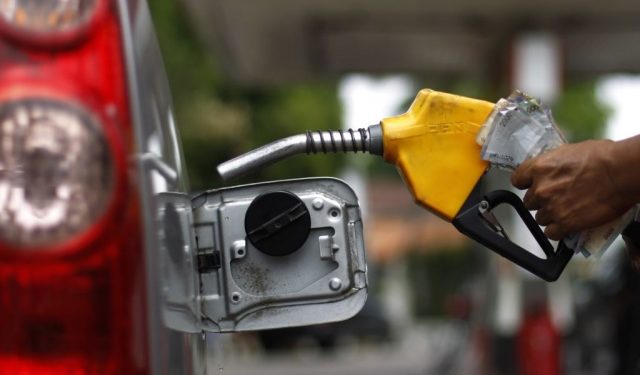
Interestingly, the losses come amid a surge in fuel consumption. The report notes that total fuel usage increased by 15.29%, reaching 7.45 billion litres in 2025. This growth was driven by:
Increased transportation activity
Expanding industrial operations
Higher demand from the power sector
While this upward trend signals economic activity and growth, it also places greater pressure on monitoring systems—making inefficiencies more costly and more difficult to control.
Gaps in the system
COMAC attributes the discrepancy to weaknesses in tracking and distribution mechanisms within the downstream petroleum value chain. These gaps may include:
Inadequate monitoring systems
Inefficiencies in distribution channels
Possible leakages or unrecorded transactions
Such vulnerabilities not only lead to revenue losses but also undermine transparency and accountability in the sector.
A call for stronger oversight
In response to the findings, COMAC is urging stakeholders to take decisive action. The organization emphasizes the need for:
Enhanced regulatory oversight
Robust fuel tracking technologies
Improved data integration across the supply chain
Strengthening these areas, the report suggests, will help safeguard public revenue and improve operational efficiency.
The path forward
The 2025 report serves as both a warning and an opportunity. As fuel demand continues to grow, Ghana’s ability to effectively monitor and manage its petroleum resources will be crucial.
Addressing these gaps is not just about preventing losses—it is about building a more transparent, accountable, and resilient energy sector capable of supporting the country’s long-term development goals.