
Nuclear power plant as Ghana’s next reliable source of energy
In recent years, Ghana has found itself standing at a crossroads. As cities expand and industries grow, the demand for electricity has surged beyond expectations. Homes flicker in and out of power, businesses struggle to maintain productivity, and the promise of economic transformation is often slowed by an unreliable energy supply. With a generation capacity of about 4,000 MW, the country faces a pressing question: how can it power its future?
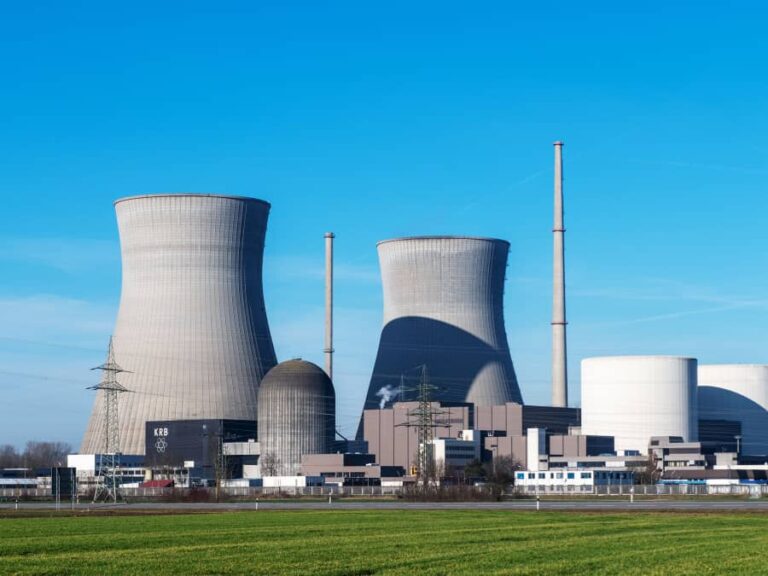
Amid this uncertainty, a bold idea begins to take shape—one that could redefine Ghana’s energy landscape: nuclear power.
The promise of steady flame
Unlike solar panels that rest at sunset or wind turbines that wait for the breeze, nuclear power plants stand unwavering. They generate electricity continuously, day and night, regardless of weather conditions. For Ghana, this consistency offers something invaluable—a stable baseload power supply.
Engineers and policymakers envision a future where factories no longer pause production due to outages, hospitals operate without fear of sudden blackouts, and students can study late into the night under steady light. Nuclear energy, with its ability to deliver large amounts of electricity reliably, begins to look less like an option and more like a necessity.
A cleaner path forward
Beyond reliability, nuclear power offers another compelling advantage: it is clean. As Ghana commits to reducing its carbon footprint and confronting the realities of climate change, the limitations of fossil fuels become increasingly clear.
Nuclear plants do not emit greenhouse gases during operation. This positions them as a powerful ally in the global fight against environmental degradation. For a country rich in natural beauty and agricultural potential, protecting the environment is not just a responsibility—it is a priority.
Fueling Growth and Opportunity
The construction of a nuclear power plant is no small undertaking. It demands significant investment, advanced technology, and a skilled workforce. Yet, within these challenges lie immense opportunities.
The project would create thousands of jobs—from engineers and technicians to construction workers and safety experts. Local industries would flourish as demand for materials and services increases. Moreover, a stable energy supply would attract foreign investors, eager to operate in a country where power is no longer a constraint.
In this vision, nuclear energy becomes more than electricity—it becomes a catalyst for economic transformation.
The Weight of Responsibility
But such power does not come without responsibility. The thought of a nuclear facility brings with it concerns about safety, regulation, and waste management. The stakes are high, and mistakes are not an option.
Ghana must approach this venture with meticulous planning. Strict safety protocols, modern reactor designs, and strong regulatory frameworks will be essential. Equally important is the safe handling and disposal of nuclear waste, ensuring that future generations are not burdened by today’s solutions.
Public trust will also play a crucial role. Citizens must be informed, reassured, and involved in the journey toward nuclear energy.
A future reimagined
As the sun sets over Accra and the lights begin to flicker on, the vision of a nuclear-powered Ghana feels both ambitious and attainable. It is a vision of resilience, sustainability, and progress.
With careful planning and responsible execution, a nuclear power plant could become the cornerstone of Ghana’s energy future—lighting homes, powering industries, and driving the nation toward a new era of stability and growth.
The question is no longer whether Ghana needs a reliable energy source. The question is whether it is ready to embrace the power that could shape its destiny.