
ICC top Prosecutor removed over alleged sexual misconduct
ICC Members Vote to Dismiss Karim Khan
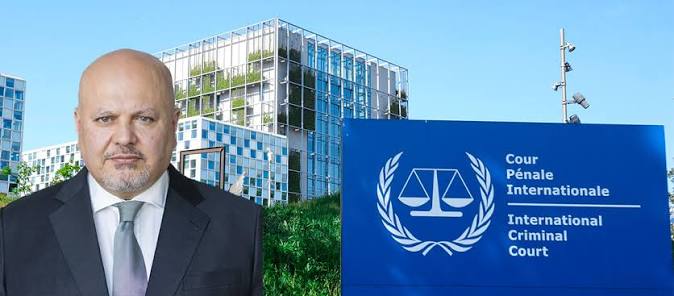
Members of the International Criminal Court (ICC) have voted to remove Chief Prosecutor Karim Khan from office following allegations of sexual misconduct. Khan, who became the court’s third chief prosecutor in 2021, had already been suspended last month pending the outcome of disciplinary proceedings. The decision to dismiss him was approved by 82 member states, marking one of the most significant leadership changes in the court’s history.
Findings of Serious Misconduct
The ICC’s oversight body concluded in June that Khan had committed a “serious breach of duty and serious misconduct.” According to its findings, he engaged in an inappropriate sexual relationship with a junior staff member and later attempted to prevent her from pursuing a formal complaint. The findings formed the basis for the vote to remove him from office.
Khan Rejects the Allegations
Karim Khan has consistently denied all allegations against him. His legal team has argued that his suspension was “unlawful, procedurally unfair and unsupported by evidence.” Despite his denials, ICC member states proceeded with the dismissal after reviewing the findings of the investigation.
Lengthy Investigation and Review
The case followed a lengthy investigative process. A second referral concerning the allegations was made in October 2024, after which the matter was handed to the United Nations Office of Internal Oversight Services (OIOS). The OIOS conducted an extensive investigation between November 2024 and December 2025, compiling more than 5,000 pages of evidence and witness testimony. Its findings were later examined by a three-judge advisory panel, which assessed whether Khan’s actions amounted to serious misconduct, less serious misconduct, or no misconduct. The panel’s conclusions ultimately supported the finding of serious misconduct.
A Defining Moment for the ICC
Khan’s removal is widely seen as a pivotal moment for the International Criminal Court. Beyond the departure of a single prosecutor, the case has intensified scrutiny of the world’s only permanent tribunal dedicated to prosecuting genocide, war crimes, crimes against humanity and the crime of aggression. The controversy has exposed internal divisions within the court and raised questions about its governance, accountability and ability to maintain public confidence while handling some of the world’s most sensitive criminal investigations.
Political Pressure on the Court
The misconduct case has unfolded during a period of extraordinary political pressure on the ICC. The court has faced growing international tensions, particularly following Khan’s decision to seek arrest warrants for Israeli Prime Minister Benjamin Netanyahu and former Defence Minister Yoav Gallant over alleged crimes linked to the war in Gaza. In response, the United States imposed sanctions on Khan, reflecting its long-standing opposition to the ICC’s jurisdiction in certain cases.
US Escalates Campaign Against the ICC
Earlier this month, the United States intensified its opposition by launching what it described as a “whole-of-government” campaign to dismantle the ICC “brick by brick.” Washington announced plans for visa restrictions, asset freezes and diplomatic efforts aimed at encouraging allied countries to withdraw from the court or reject its authority over their citizens. The United States argues that the ICC poses a threat to American sovereignty, a position it has maintained for many years.
Jurisdiction Remains a Point of Contention
Although the United States, Russia and Israel are not members of the ICC, the court can still exercise jurisdiction over crimes allegedly committed by their nationals if those crimes occur on the territory of an ICC member state. This legal framework has remained a source of international debate and has contributed to ongoing disputes over the court’s authority.
What Comes Next
With Karim Khan removed from office, the ICC now faces the challenge of appointing new leadership while restoring confidence in the institution. The court must navigate both internal reforms and increasing external political pressure as it continues its mandate to investigate and prosecute the world’s most serious international crimes. The outcome could have lasting implications for the credibility, independence and future effectiveness of the ICC.