W/R Minister Joseph Nelson calls for sustainable agenda to keep Sekondi Stadium active after rehab

Rehabilitation Progress Welcomed
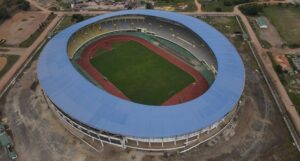
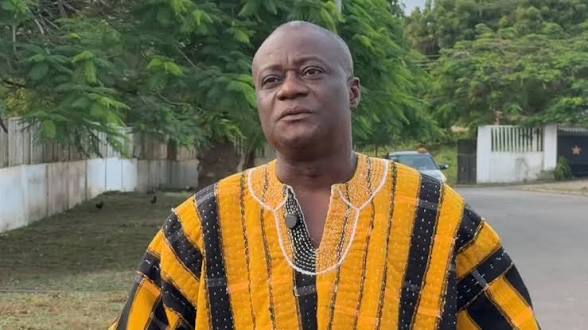
Western Regional Minister, Joseph Nelson, has welcomed the progress being made on the rehabilitation of the Sekondi Sports Stadium, but has called for a sustainable management plan to keep the facility active after the works are completed. Mr. Nelson said completing the rehabilitation should not be seen as the end of the project, stressing that a clear strategy was needed to ensure the stadium remained functional, generated revenue and did not fall into disrepair again. He said the substantial investment being made in the facility made it necessary for the authorities to think beyond the physical rehabilitation and focus on its long-term utilisation.
Stadium Was Worse Than Portrayed
According to Mr. Nelson, the condition of the stadium when the current administration assumed office was significantly worse than had previously been portrayed. He recalled that there had been considerable public discussion after a government budget reportedly indicated that the facility was more than 90 per cent complete. The claim was challenged at the time by the then Member of Parliament for the area, Joe Ghartey. Mr. Nelson said subsequent inspections after the new administration took office showed that substantial work was still required before the stadium could be brought to an acceptable standard.
“When we took office, it was clear that it was not as it was painted. There was a lot to be done, and the place was really run down,” he said.
Theft and Poor Security
The Minister said his personal visit to the facility revealed several deficiencies, including inadequate security and lighting. He said some important installations had also been removed by thieves during the period the facility remained largely inactive.
“Some of the important things, even the cables and stuff like that, had been taken out by thieves,” Mr. Nelson said.
He said the situation demonstrated the need for effective security and regular activity at the stadium once the rehabilitation was completed.
Sports Minister’s Intervention
Mr. Nelson commended the current Minister responsible for Sports for taking an interest in the project, visiting the facility and engaging the contractor to resume work. He said the intervention had led to visible progress, including work on the seating arrangements.
“It was refreshing when the new Minister took interest, actually visited there, and got the contractor to be back on its feet to really get the job going,” he said.
The Regional Minister expressed optimism that the rehabilitation would be completed and the facility eventually returned to full use.
Call for Revenue-Generating Activities
Mr. Nelson, however, stressed that completing the physical works would only address part of the problem.
He called on the National Sports Authority (NSA) and the Ministry responsible for Sports to develop a clear utilisation and revenue-generation strategy for the stadium. He said the absence of a major professional football club regularly using the facility could make it difficult to generate enough activity and revenue to support routine maintenance.
“The challenge, however, is that we do not have the teams that would utilise the facility. That is where the challenge really is,” he said.
He therefore advocated for alternative sporting and commercial activities that could generate revenue while keeping the facility active.
Revenue to Support Maintenance
The Minister proposed that a portion of the revenue generated from activities at the stadium could be reinvested into its maintenance. He warned that without a structured utilisation plan, the facility could once again deteriorate despite the money invested in its rehabilitation.
“Once it’s done, we should have a good plan in place in how the place is utilised, so that at least the maintenance of the place can happen. Otherwise, the facility will stand there and really begin to deteriorate,” he warned.
Mr. Nelson said the stadium had remained largely inactive, apart from occasional athletics-related programmes, including activities organised by the Ghana Education Service (GES). He said maintaining regular activity at the facility would be critical to protecting the investment made in its rehabilitation.
Football Landscape Presents Challenge
The Minister also pointed to the current state of professional football in the Western Region as one of the challenges facing the stadium. He noted that Medeama is currently the region’s major representative in the Ghana Premier League and already has access to a developed home venue in Tarkwa. Consequently, he said, the completion of the Sekondi Stadium might not necessarily result in the club relocating its home matches to Sekondi. The decline of traditional Sekondi-based clubs, including Sekondi Hasaacas and Eleven Wise, has also reduced the number of competitive football matches that could regularly be hosted at the facility.
Stadium Must Not Remain Idle
Mr. Nelson stressed that the scale of resources invested in the rehabilitation made it imperative for the facility to be put to productive use. “With how much money has been expended, we cannot leave it sitting there idle. Something, by all means, will have to be thought through, then we can put it to use,” he said.
He expressed confidence that the Sports Ministry and the National Sports Authority would develop appropriate measures to keep the stadium operational.
Sustainability Beyond Rehabilitation
For Mr. Nelson, the success of the Sekondi Stadium rehabilitation should ultimately extend beyond the completion of physical works. He said the facility must remain active, generate resources to support its upkeep and provide sustainable value to residents of the Western Region.
“We must begin thinking about what will happen there, how well we are going to put that facility to use so that we’ll be able to keep it active. Once it’s active, we can save it from deterioration,” he said.
He therefore urged the relevant authorities to begin planning for the stadium’s long-term utilisation now, so that the facility would remain a viable sporting and commercial asset for the region rather than becoming inactive and deteriorating again.