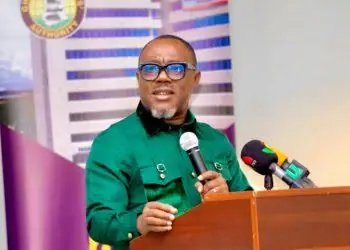
Prof. Gyampo reflects on democracy, free speech and the survival of the Ghanaian polity

Prof. Gyampo reflects on democracy, free speech and the survival of the Ghanaian polity
Inspired by the reflections of Ransford Gyampo
In the bustling towns of Ghana, from the crowded streets of Accra to the quiet communities of Saltpond and Larteh-Akuapim, political conversations echoed daily through radio stations, market centers, churches, and social gatherings. Democracy had given citizens a powerful gift: the freedom to speak without fear. People debated passionately about leadership, governance, and the future of the nation.
Yet beneath this vibrant democratic culture, a dangerous trend slowly emerged. Political discussions that once centered on ideas began to drift into insults, reckless accusations, and divisive rhetoric. Words became weapons, and public discourse increasingly resembled battlefields rather than platforms for national development. Many celebrated this as “free speech,” but Professor Ransford Gyampo warned that democracy was never meant to glorify foolishness, hatred, or speech capable of tearing apart the very state that democracy seeks to protect.
The foundations of democracy
Long before Ghana embraced democratic governance, philosophers and statesmen such as Cleisthenes, Solon, John Locke, Thomas Jefferson, James Madison, and George Washington envisioned democracy as a system built on liberty, reason, and respectful disagreement.
They understood that no society could survive if everyone thought alike. Dissent was necessary for growth, accountability, and innovation. However, they also believed that freedom carried responsibility. Speech, though free, had to remain civil, constructive, and mindful of national unity. To them, democracy was not a license for buffoonery, reckless provocation, or dangerous incitement. They knew that careless words could destroy nations just as effectively as weapons could.
When speech becomes a threat
History has repeatedly shown that nations do not collapse only through military coups. Sometimes, destruction begins with words: speeches filled with hatred, tribal division, and emotional manipulation. Professor Gyampo emphasized that certain reckless expressions can amount to a “coup d’état” in another form. While guns may overthrow governments physically, poisonous language can destroy the trust, peace, and unity that hold a nation together.
He reflected on tragic examples around the world where inflammatory rhetoric fueled violence and national collapse. The memory of the Rwandan genocide remains a painful reminder of how irresponsible speech can ignite unimaginable chaos. Radio broadcasts and hate-filled propaganda transformed neighbors into enemies, proving that words possess enormous destructive power. For Ghana, a country celebrated for political stability in Africa, this warning could not be ignored.
The danger of encouraging insults
One afternoon, during a heated radio discussion, a caller insulted a political opponent with harsh and humiliating words. Instead of condemning the behavior, some panelists laughed and defended the insult as part of democratic freedom. Others casually remarked, “If he feels offended, he should go to court.”
This attitude deeply troubled Professor Gyampo. He argued that nation-building is not merely about creating legal remedies after harm has been done. True democratic maturity requires preventing destructive behavior before it escalates. Encouraging insults and then directing victims to seek justice in slow-moving courts is irresponsible and dangerous.
In Ghana, defamation cases can take years before judgment is delivered. By that time, reputations may already be destroyed, tensions inflamed, and divisions deeply rooted.
Democracy, he insisted, should never normalize verbal recklessness.
Guaranteed Disagreement in Politics
Politics naturally involves disagreement. Different ideas, competing visions, and opposing policies are part of democratic life. In fact, society would become stagnant if everyone agreed on everything.
Professor Gyampo believed that disagreement itself was healthy. Citizens must debate, criticize leaders, and express dissent openly. However, such disagreements must be guided by culture, discipline, and respect.
Ghanaians, known traditionally for courtesy and communal values, should argue like people who understand both their cultural heritage and the true principles of democracy. Political opponents are not enemies; they are fellow citizens seeking the same national progress through different approaches.
Civil disagreement strengthens democracy. Insults weaken it.
Transitional democracy and the need for caution
Ghana’s democratic journey has been remarkable, but Professor Gyampo described the nation as a “transitional democracy”: a country still consolidating democratic culture after years of authoritarian rule. This means democracy in Ghana remains delicate and must be protected carefully. Reckless speech, political intolerance, and divisive propaganda could trigger democratic relapse or social implosion if left unchecked.
Citizens therefore carry a collective responsibility to safeguard peace through responsible communication. Freedom of speech must coexist with wisdom, restraint, and patriotism.
To speak freely does not mean speaking carelessly
The silent nation wreckers
Interestingly, Professor Gyampo observed that those who directly insult others may not be the greatest threat to society. More dangerous are those who silently encourage such behavior: the cheerleaders who applaud recklessness, justify division, and dismiss concerns by saying victims should “simply go to court.” These enablers contribute to the erosion of democratic culture. By rewarding toxic speech with attention and political loyalty, they gradually normalize intolerance and hostility within society. A nation rarely collapses suddenly. Decline often begins when citizens stop defending civility.
Preserving Ghana’s democratic future
Ghana’s democracy remains one of Africa’s brightest hopes, but its survival depends not only on elections and institutions. It also depends on the character of public discourse.
Professor Gyampo’s reflections remind citizens that democracy is strongest when freedom is exercised responsibly. Speech should enlighten, not inflame; unite, not divide; criticize constructively, not destroy recklessly.
As Ghana continues its democratic journey, every citizen must choose carefully how they use their voice. Words can build nations, but they can also break them. The future of the Ghanaian polity may ultimately depend on whether its people learn to disagree without hatred and speak freely without destroying the very democracy they cherish.