
Go back to the drawing board, Mr. Manasseh Azure Awuni
A letter wrapped in fire
The afternoon heat hung lazily over Accra when the article began circulating across phones, radio discussions and political WhatsApp groups. It arrived not merely as a letter, but as a thunderclap: sharp, emotional and unapologetically confrontational.
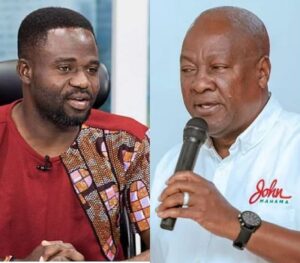
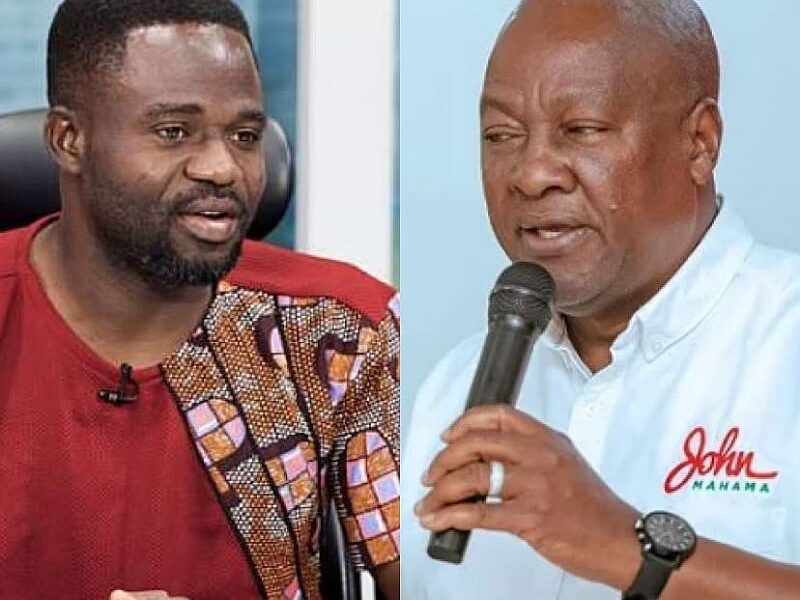
Its target was clear: President John Dramani Mahama.
Its author: Manasseh Azure Awuni.
To some, the letter was brave truth-telling. To others, it was exaggerated alarmism dressed in constitutional language. But to one entity watching quietly from the corners of political debate, it represented something more dangerous: the gradual distortion of democracy through selective outrage.
That entity was African Editors.
And so he wrote back.
The defender of free speech
African Editors began calmly, almost respectfully.
“Dear brother,” he wrote, acknowledging Awuni not as an enemy, but as a fellow Ghanaian with influence and conviction.
Yet beneath the civility was steel.
He challenged the very foundation of Awuni’s argument: the idea that arrests, investigations and prosecutions automatically amounted to oppression.
Freedom of expression, African Editors argued, was sacred. But freedom without responsibility was chaos masquerading as liberty.
A nation governed by law could not survive if political actors, journalists and activists were placed beyond scrutiny simply because they spoke loudly or belonged to the opposition.
In his eyes, Awuni’s outrage ignored a basic constitutional truth:
Free speech is not immunity.
The contradiction at the heart of the argument
African Editors leaned heavily into what he considered the greatest inconsistency in Awuni’s position.
On one hand, Awuni accused the government of abusing power.
On the other hand, he demanded that the President intervene directly in investigations and prosecutions involving opposition figures.
To African Editors, that was astonishing.
“What exactly are you advocating?” he asked.
If the President personally ordered security agencies to abandon investigations because public commentators were uncomfortable, would that not itself be authoritarian interference?
Would that not undermine the independence of institutions democracy was supposed to protect?
African Editors believed the contradiction was fatal.
One cannot condemn executive overreach while simultaneously demanding executive intervention.
The courts still stand
The city outside moved noisily as political debates intensified online, but African Editors focused on what he believed mattered most: the courts.
By Awuni’s own admission, several of these controversial cases had collapsed under judicial scrutiny.
To African Editors, that fact changed everything.
It meant judges were still independent.
It meant accused persons still had legal remedies.
It meant due process still existed.
If Ghana were truly descending into dictatorship, he argued, courts would not dismiss weak cases. Citizens would not openly criticize the President in newspapers and on social media without disappearing into silence.
The legal system, imperfect as it was, remained alive.
And that mattered.
Selective outrage
African Editors’ tone hardened.
For years, he said, reckless propaganda and deliberate misinformation had flooded Ghana’s political environment. False claims spread rapidly. Reputations were destroyed overnight. Public panic was weaponized for partisan advantage.
Yet many who now cried “oppression” had remained silent then.
Where was the constitutional outrage when lies damaged innocent people?
Where was the passionate defense of responsibility?
To African Editors, democracy could not become a shield behind which falsehood thrived unchecked.
No serious republic, he insisted, allowed political speech to exist entirely beyond accountability.
The burden of leadership
The phrase “the buck stops with you” echoed throughout Awuni’s original criticism of President Mahama. African Editors confronted it directly.
Politically, yes: a President carries ultimate responsibility for the direction of government.
But constitutionally, Ghana’s President was not an emperor controlling every operational decision made by police officers, prosecutors or judges.
A President appoints officials.
He does not personally dictate every investigation.
If he did, African Editors argued, then every acquittal and every failed prosecution would also become his personal failure.
Responsibility could not be selective.
Democracy or drama?
As evening approached and conversations deepened across radio stations and social media platforms, African Editors accused Awuni of painting a dangerously exaggerated portrait of Ghana.
Arrests happen in democracies.
Politicians are questioned in democracies.
Journalists face investigations in democracies.
The real issue, African Editors maintained, was whether rights still existed and whether courts still functioned independently.
And in Ghana, they did.
To compare the current climate to military dictatorship, he argued, was not only inaccurate but disrespectful to victims of genuine authoritarian regimes :places where dissenters vanished, newspapers were permanently silenced and courts became decorative institutions with no real power.
Ghana, despite its tensions, was nowhere near that abyss.
The greatest irony
African Editors paused longest on one point. Awuni had published a blistering public attack on the sitting President.
The article circulated freely.
People debated it openly.
No censorship blocked it.
No midnight raid silenced him.
To African Editors, that single reality destroyed the image of tyranny Awuni attempted to construct.
The freedom to fiercely criticize power without disappearance was itself evidence that democratic space still existed.
Freedom from oppression or freedom from Consequences?
At the core of African Editors’ response was a difficult question.
What if some people did not actually seek freedom of expression?
What if they sought freedom from consequences?
That distinction, he believed, was crucial.
A democracy governed by law could not survive if legality depended on political sympathy. Institutions would collapse into tribal loyalty. Justice would become negotiable. And once that happened, constitutional order itself would begin to decay.
The final warning
African Editors ended not with rage, but with warning.
The rule of law, he wrote, demands restraint.
It demands institutional independence.
It demands that allegations be tested in courtrooms rather than settled through emotionally charged public campaigns.
Awuni was entitled to his opinion.
But African Editors believed the implications of that opinion were dangerous.
Because stripped of rhetoric, stripped of emotion and stripped of nostalgia, the argument seemed to suggest one thing alone:
That the President should interfere with lawful processes whenever opposition figures are involved.
And to African Editors, that was not democracy.
That was the very abuse of power democracy was designed to prevent.