
GFZA Boss should’ve been sacked –Abirem MP
Political Firestorm Over Free Zones CEO
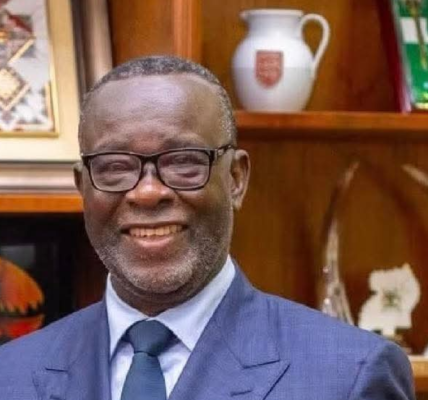
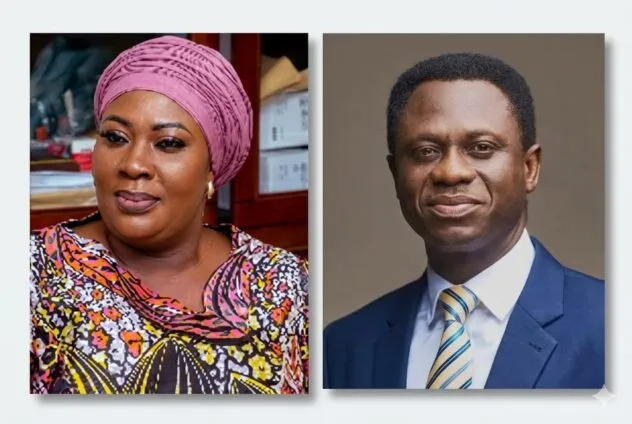
A heated political controversy has erupted following remarks by the CEO of the Ghana Free Zones Authority, Dr. Mary Awusi. Her comments, directed at Apostle Dr. Eric Nyamekye, have drawn sharp criticism from the Member of Parliament for Abirem, Charles Owiredu, who believes she should have been dismissed from her position.
The Trigger: Galamsey and Its Impact
The tension began when Apostle Nyamekye raised concerns about the devastating effects of illegal mining—commonly known as galamsey—on communities across Ghana. He highlighted how polluted rivers are not only destroying livelihoods but also interfering with religious practices such as baptism, which traditionally involves immersion in clean water.
A Controversial Response
In response, Dr. Awusi took a firm stance, cautioning the respected clergyman to remain within his religious domain or risk being treated as a political figure. Her remarks were widely perceived as dismissive and sparked significant public backlash. Although she later issued an apology, many—including Mr. Owiredu—found it insufficient.
MP Owiredu’s دفاع of the Clergy
Speaking on Newsfile, Mr. Owiredu passionately defended Apostle Nyamekye. He questioned the basis of the criticism, arguing that the church leader had consistently spoken out on national issues. He emphasized that the practice of baptism by immersion is deeply rooted in biblical teachings, referencing passages such as Acts 8:26–40 and the baptism of Jesus in the Jordan River. According to him, the Apostle’s concerns about polluted rivers making such practices difficult are both valid and urgent.
“An Infantile Apology”
Mr. Owiredu did not mince words in his assessment of Dr. Awusi’s apology, describing it as “infantile.” He expressed surprise that the president had not taken disciplinary action, arguing that the initial comments were disrespectful to a revered religious leader.
The Bigger Picture: Galamsey’s Economic Grip
Beyond the personal clash, the MP drew attention to the broader socio-economic crisis fueled by illegal mining. In his constituency, farmers cultivating cocoa and oil palm are increasingly abandoning agriculture due to financial pressures. He explained that the delayed returns from farming—such as cocoa taking up to five years to mature—make the quick financial gains from illegal mining more attractive. This shift, he warned, is accelerating the destruction of fertile lands and threatening long-term food security.
A Looming Environmental and Health Crisis
Mr. Owiredu painted a grim picture of the future if galamsey continues unchecked. He warned that water pollution is reaching dangerous levels, affecting not only rural communities but also urban populations. Even in cities like Accra, he noted, people are not immune. Contaminated water is used in food preparation, raising serious public health concerns. From street foods to household meals, the risk is widespread.
“We Are Sitting on a Time Bomb”
The MP concluded with a stark warning: Ghana is “sitting on a time bomb.” He criticized the lack of enforcement against individuals allegedly involved in illegal mining, despite public acknowledgments by government officials. Echoing earlier warnings from legal experts, he suggested that water scarcity could soon become a national crisis—one where access to clean water becomes as valuable as gold.
A Call to Action
As the debate intensifies, Mr. Owiredu’s message is clear: Ghana must act decisively. Whether through stricter enforcement, economic reforms, or environmental protection, the country faces a critical moment that demands urgent attention.