Powering Ghana’s future: Inside the push for nuclear energy in a green transition era

Powering Ghana’s future: Inside the push for nuclear energy in a green transition era
The workshop began with a solemn opening prayer, grounding the gathering in reflection and purpose. Participants including policy makers, scientists, communicators, and energy experts paused to acknowledge the weight of the decisions ahead. Ghana’s energy future is no longer a distant conversation; it is unfolding now, shaped by both urgency and opportunity.
Beyond hydro and solar: Why Ghana is exploring nuclear power now
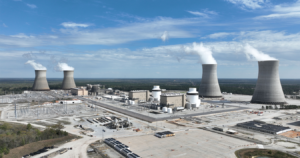
For decades, Ghana has leaned heavily on hydroelectric power and, more recently, solar initiatives. But rising demand, climate variability, and the limits of existing infrastructure have pushed the country to reconsider its options. Nuclear energy once sidelined is back on the table, not as a replacement, but as a complement in a diversified, resilient energy mix. This workshop, themed “The Decision: How Nuclear Technology and a Stronger Grid Promote Energy Security for Ghana,” offered a behind-the-scenes look at how seriously the nation is evaluating nuclear power in a green transition era.
Purpose and objective: Framing the conversation
Manager of Public Affairs at Nuclear Power Ghana, Bellona Gerard Vittor-Quo, outlined the workshop’s purpose: to deepen understanding, bridge knowledge gaps, and foster informed public dialogue. She emphasized that nuclear energy discussions must extend beyond engineers and policymakers to include journalists and the general public. The objective was clear: build trust through transparency while equipping participants with factual, balanced insights into nuclear technology.
Opening remarks: Policy meets possibility
Dr. Robert B.M Sogbadji, Advisor on Renewable Energy at the Ministry of Energy and Green Transition, set the tone with a forward-looking address. He highlighted Ghana’s commitment to a low-carbon future and positioned nuclear power as a strategic option within that vision. He stressed that nuclear is not in competition with renewables but complements them, especially in ensuring stable baseload power when solar and hydro fluctuate. Dr. Sogbadji noted that “Nuclear Power has emerged as a long term agenda and nuclear power could deliver enough energy for industry”.
The Decision: Energy security and a stronger grid
At the heart of the discussions was a central question: How can Ghana secure reliable, affordable, and clean energy for the long term? Participants examined how nuclear technology paired with a strengthened national grid could stabilize power supply, reduce dependence on fossil fuels, and support industrial growth. The “decision” is not a single moment, but a gradual, evidence-based process shaped by research, stakeholder engagement, and global best practices.
Interactive expectations: Listening first
Through a Mentimeter session led by Mr. Emmanuel Tetteh of Nuclear Power Ghana, participants shared their expectations
ranging from safety concerns to cost implications and environmental impact. This interactive approach revealed a critical insight: public perception is as important as technical feasibility. Addressing fears and misconceptions is essential to any successful nuclear program.
From vision to reality: Ghana’s nuclear energy ambitions take shape
Large Nuclear Reactors in focus
Dr. Stephen Yamoah, Executive Director of Nuclear Power Ghana, provided a comprehensive assessment of large nuclear reactors. He explained their capacity to generate consistent, high-output electricity, making them suitable for long-term national energy planning. However, he also acknowledged the challenges including high initial costs, long construction timelines, and the need for robust regulatory frameworks.
Small reactors, big impact: Innovation in Ghana’s energy mix
Understanding Small Modular Reactors (SMRs)
Dr. Yamoah then shifted focus to Small Modular Reactors (SMRs), describing them as a game-changer for countries like Ghana. Unlike traditional reactors, SMRs are smaller, more flexible, and faster to deploy. Their environmental footprint is lower, and their scalability makes them ideal for gradual integration into the energy grid. The discussion highlighted how SMRs could support remote areas and industrial zones without overwhelming existing infrastructure.
Safety, science, and scepticism: Demystifying nuclear power in Ghana
Q&A and Public concerns
A lively Q&A session moderated by Mr. David Dankwa-Apawu, Senior Lecturer at UniMAC-IJ, brought critical questions to the surface. Participants probed issues of safety, waste management, and cost transparency. The session underscored a recurring theme: scepticism is natural, but it must be addressed with science, openness, and consistent public engagement.
Emergency preparedness: Planning for the unexpected
Alberta Blay of Nuclear Power Ghana delivered a detailed presentation on emergency preparedness and response. She emphasized that modern nuclear programs are built on rigorous safety protocols, continuous monitoring, and well-rehearsed response systems.
Her message was clear: preparedness is not optional, it is foundational.
The dream and the reality: Bridging policy and practice
In his brief remarks, Dr. Sogbadji returned to reflect on the gap between ambition and implementation. Ghana’s nuclear journey, he noted, is both a dream and a disciplined process requiring policy alignment, investment, and sustained political will.
General discussions: Shaping the narrative
Participants engaged in group discussions and a write-up assignment guided by Mr. Dankwa-Apawu, focusing on how to communicate nuclear energy responsibly. The exercise reinforced the role of media in shaping public understanding and influencing national discourse.
Feedback and reflection: Measuring impact
Another Mentimeter session, again led by Mr. Emmanuel Tetteh, captured participants’ reflections on the presentations. The feedback revealed increased awareness, but also a desire for continued engagement and education.
Closing remarks: Leadership and commitment
The workshop concluded with remarks from the Director of the Nuclear Power Institute. He emphasized leadership, collaboration, and long-term planning as critical pillars for Ghana’s nuclear ambitions. Dr. Archibold Buah-Kwofie noted that “Today has been very interesting. We’ve head about SMR, large reactors through Dr. Yamoah, emergency preparedness from Madam Alberta Blay, where there is still a lot of work to be done. Personally, I have seen a bit of improvement in terms of reportage. The workshop will help the narrative and let’s continue to push the nuclear agenda”.
Ghana’s energy future: Why nuclear is back on the table
As the workshop drew to a close, one message stood out: nuclear energy is no longer a distant possibility, it is an active consideration in Ghana’s energy strategy.
The nuclear option: Ghana’s path to a green energy future
Ghana’s exploration of nuclear power reflects a broader global shift, balancing sustainability with reliability. While hydro and solar remain vital, they cannot alone meet the country’s growing energy demands. Nuclear energy, particularly with innovations like SMRs, offers a pathway to a stable, low-carbon future.
A nation at the crossroads
This workshop was more than a series of presentations, it was a snapshot of a nation in transition. Ghana stands at a crossroads, weighing opportunity against responsibility, innovation against caution. The story of nuclear energy in Ghana is still being written. But one thing is certain: the conversation has begun, and it is grounded in knowledge, dialogue, and a shared vision for a resilient energy future.