
A-Plus tackles MC Yeboah and Abena Moet
Clash on live TV
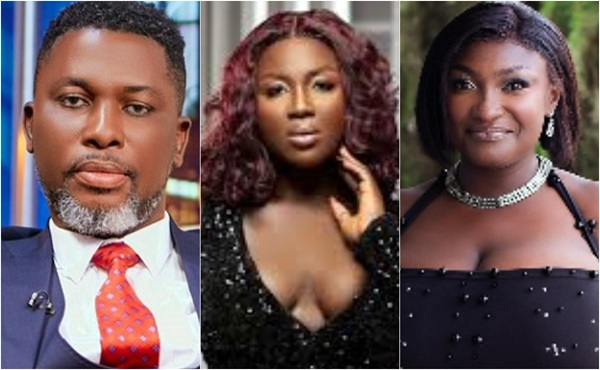
What began as a routine panel discussion quickly escalated into a fiery exchange when Kwame A-Plus took on media personalities MC Yaa Yeboah and Abena Moet over controversial claims about Ghanaian musicians. The atmosphere shifted as strong opinions collided, turning the conversation into one of the most talked-about media moments in recent days.
The Spark: Allegations against musicians
During the discussion, MC Yaa Yeboah reportedly suggested that some Ghanaian artistes contribute to the rise of fraud through their music and public personas. Her remarks immediately stirred reactions, touching on a sensitive and ongoing issue in Ghana’s entertainment space—whether creative expression can influence unethical behavior.
A-Plus fires back
Kwame A-Plus did not hold back.
He strongly rejected the claims, challenging both MC Yaa Yeboah and Abena Moet to provide concrete evidence. In his view, it was unfair to paint musicians with a broad brush based on assumptions. According to him, such generalisations risk unfairly tarnishing the image of hardworking artistes who contribute positively to society.
Art imitating life or shaping it?
At the heart of the debate was a deeper question: Do musicians shape societal behavior, or simply reflect it?
A-Plus argued that creatives often mirror realities already present in society rather than create them. Blaming them, he suggested, oversimplifies complex social problems like fraud. Others on the panel, however, maintained that media and music can influence attitudes—especially among younger audiences—making artistes partly responsible for the messages they project.
A heated exchange
As the discussion unfolded, tensions rose. Voices sharpened, and perspectives clashed, with neither side willing to fully concede. The disagreement highlighted a broader divide in public opinion—between those who see entertainment as a powerful influence and those who view it as a reflection of deeper societal issues.
Social media erupts
The debate did not end in the studio.
Clips of the exchange quickly spread online, sparking widespread reactions from Ghanaians. Social media platforms became battlegrounds for competing viewpoints. Some users supported A-Plus, insisting that accusations against musicians must be backed by evidence. Others sided with MC Yaa Yeboah, arguing that public figures have a duty to be mindful of their influence.
Beyond the argument
More than just a clash of personalities, the incident has reignited an important national conversation—about accountability, influence, and responsibility in the entertainment industry. It raises difficult questions: Where does artistic freedom end? And where does social responsibility begin?
An ongoing conversation
As discussions continue, the exchange between Kwame A-Plus, MC Yaa Yeboah, and Abena Moet serves as a reminder of the powerful intersection between media, culture, and society. For many, it is not just about who was right or wrong—but about how Ghana navigates the balance between creative expression and ethical responsibility in an ever-evolving digital age.