
PURC pushes for major reinvestment in Ghana Gas to secure power sector stability
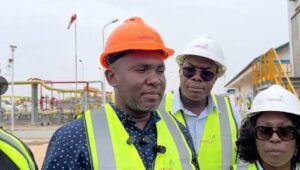
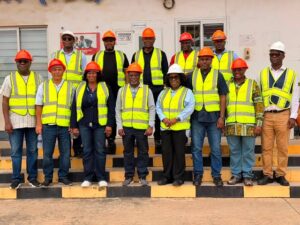
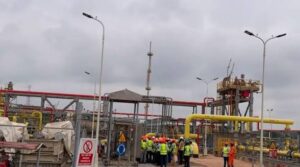
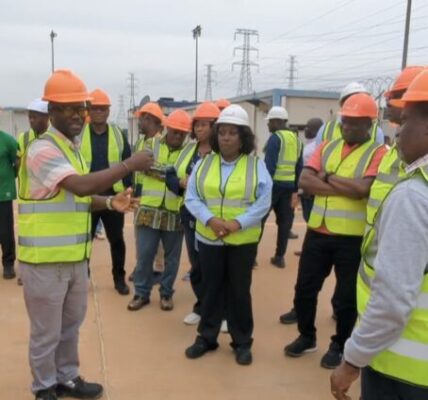
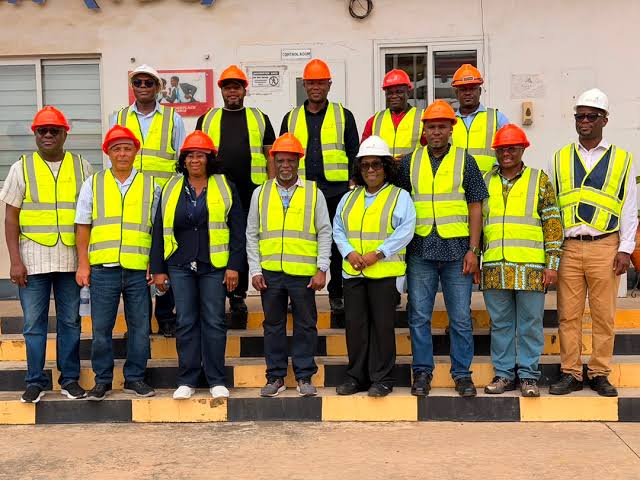
The Public Utilities Regulatory Commission (PURC) is calling for significant reinvestment in the Ghana National Gas Company (Ghana Gas) as part of efforts to safeguard the stability and reliability of Ghana’s power sector. The call follows a high-level inspection of Ghana Gas’ operational facilities in the Western Region, where regulators assessed the infrastructure and operational capacity required to maintain a dependable supply of natural gas to power plants and industrial users.The tour of the Takoradi Distribution Station at Aboadze was more than a routine inspection. It provided PURC officials with an opportunity to examine the financial and operational health of Ghana Gas, a company considered critical to the country’s energy security.
Gas Supply Critical to Power Generation
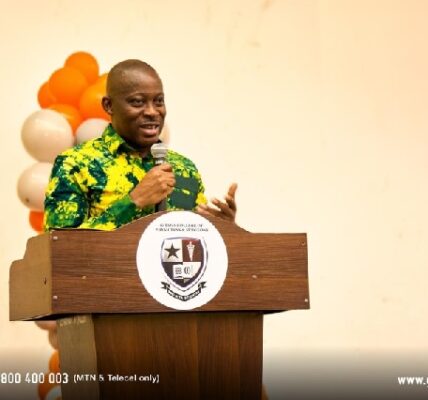
Ghana’s thermal power plants rely heavily on natural gas to generate electricity, making the reliability of gas supply a key factor in maintaining power stability. Against this backdrop, PURC is increasing its scrutiny of Ghana Gas’ ability to meet growing demand from both the power sector and industry. PURC Executive Secretary, Dr. Shafic Suleman, said although improvements in utility services require investment, sustained spending on Ghana Gas could deliver significant long-term benefits by helping to reduce the overall cost of electricity generation. He commended the company for its financial performance over the past 18 months but challenged management to channel its gains into expanding and strengthening its infrastructure.
“For Ghana Gas, the next priority is reinvestment and expansion,” Dr. Suleman said. “We’ve seen the numbers over the past year and a half, and they are impressive. Now, we need to convert that success into infrastructure that guarantees stability.”
Third Compressor to Strengthen Reliability
Responding to the regulator’s concerns, Ghana Gas Chief Executive Officer, Judith Adjobah Blay, said the company had already begun plans to reinvest its profits in improving efficiency, reliability and gas availability. A key project is the planned construction of a third compressor unit, which is expected to provide greater flexibility and operational redundancy across the gas transmission system.
“We are close to commencing the construction of our third compressor,” Ms. Blay said. “This will not just increase availability; it provides us with operational redundancy, ensuring that even during maintenance, the power plants receive the gas they need.”
The additional compressor is expected to strengthen the resilience of the system by reducing the risk of disruptions when existing equipment is undergoing maintenance or experiencing operational challenges.
Investment Versus Affordability
The PURC tour comes at an important time as Ghana Gas makes a case for increased investment and possible tariff adjustments to support its operations. The regulator now faces the challenge of balancing the company’s infrastructure and operational requirements with the need to keep electricity and other utility costs affordable for households and businesses. While increased investment could strengthen the reliability of gas supply and, ultimately, power generation, any tariff adjustments could also have implications for consumers and industries already facing significant operating costs.
Tariff Review to Shape Energy Outlook
The issues raised during the inspection are expected to feed into the upcoming tariff review process, which could have important implications for Ghana’s energy sector. For PURC, the central question will be how to provide Ghana Gas with sufficient resources to maintain and expand critical infrastructure without placing an excessive financial burden on consumers. For Ghana Gas, the emphasis is increasingly shifting from maintaining existing operations to expanding capacity and building greater resilience into the national gas supply system.
As Ghana seeks to meet rising electricity and industrial demand, the ability of the country’s gas infrastructure to deliver a stable and reliable fuel supply will remain crucial.
The outcome of the tariff review could therefore help determine whether Ghana can achieve the delicate balance between robust investment in energy infrastructure and affordable utility services for households and businesses.