
Damang Airport to be constructed in 6 months -Ibrahim Mahama
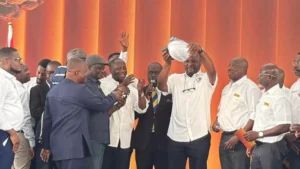
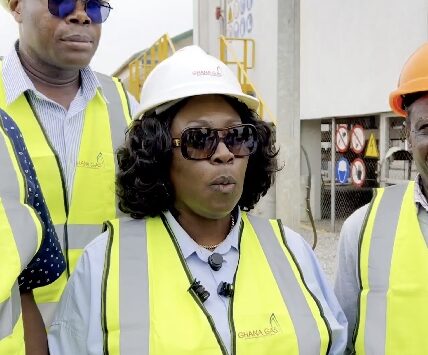
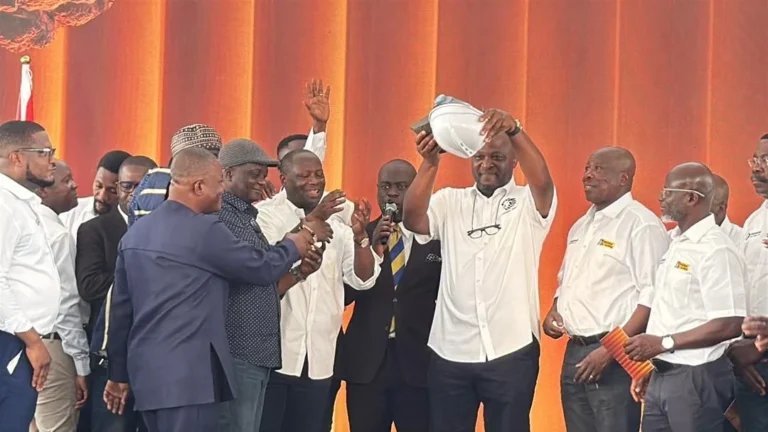
The sun rose gently over the quiet mining town of Damang, casting golden light across the hills that had long been shaped. But this morning felt different. The air carried a sense of anticipation—of change, of possibility. Word had spread quickly after the official handover of the Damang Mine, and all eyes were on one man: Ibrahim Mahama. Standing before a gathering of workers, chiefs, and residents, he spoke not just as a businessman, but as someone determined to rewrite the story of the land.
The promise of an Airport
At the heart of his vision was a bold declaration—one that seemed almost too ambitious to believe. “Within six months,” he said, pausing as murmurs rippled through the crowd, “Damang will have an airport.” For many, the idea of an airport in their quiet town felt surreal. Yet, as he explained further, the vision began to take shape. Planes would soon bridge the distance between Damang and Accra, turning hours of travel into minutes. The airport wouldn’t just serve executives and investors. It would mean faster medical evacuations, quicker movement of goods, and a newfound connection to the rest of the country. For the people of Damang, it symbolized inclusion—no longer a distant outpost, but a place firmly on Ghana’s map of progress.
Roads that carry opportunity
But an airport alone could not transform a region. Roads, Mahama emphasized, were the veins through which opportunity flows. He spoke of a future where journeys that once took exhausting hours would become smooth, reliable drives. A concrete or natural road would stretch from Damang all the way to Cape Coast, linking communities and opening doors to trade, tourism, and growth. Farmers imagined getting their produce to markets faster. Traders saw expanded business routes. Families dreamed of easier travel to visit loved ones. The promise of better roads was, in many ways, the promise of a better life.
Fields of dreams for the youth
Yet, Mahama’s vision extended beyond commerce and infrastructure. He understood the heartbeat of any community lies in its youth.
He shared a message he had received—a simple request from a young resident: build astroturf pitches for the communities. The crowd smiled as he recounted it, but his response was serious. He pledged to make it happen.
Soon, dusty open fields could transform into vibrant спортив grounds where young people would gather, play, and dream. These spaces would nurture talent, foster unity, and offer hope—proof that development wasn’t only about profit, but about people.
A mine, a Community, a future
The Damang Mine, once under the stewardship of Gold Fields Ghana Limited, had now entered a new chapter under Engineers & Planners. For many, this transition marked more than a change in ownership—it marked a shift in mindset. This was about Ghanaian leadership shaping Ghanaian resources for Ghanaian communities. As the ceremony drew to a close, the people of Damang lingered, talking in excited tones. The plans were ambitious—some might even say improbable. But for the first time in a long while, the future didn’t feel distant. It felt like it was landing—perhaps, quite literally—right at their doorstep.