
Newmont halts Cadia gold mine after earthquake
The ground didn’t roar at first. It’s whispered.
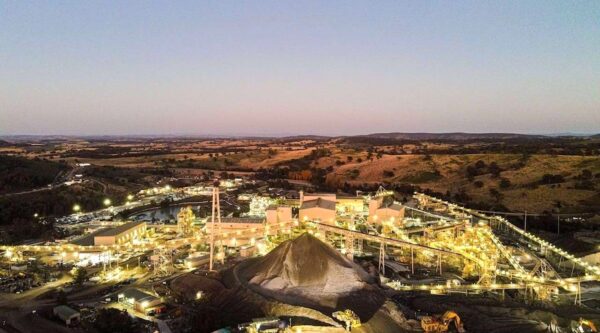
Deep beneath the rolling hills of New South Wales, where the Cadia gold mine stretched like a hidden city of steel and stone, the night shift had settled into its rhythm. Machines hummed. Radios crackled. Boots scraped against rock dust. For the miners working far below the surface, time moved differently—measured not by the sky, but by drills, haul trucks, and the steady pulse of the earth itself.
Then the pulse changed.
At first, it felt like a distant vibration—subtle enough that some thought it was just another blast echoing through the tunnels. But within seconds, the tremor grew sharper, more insistent. Lights flickered. Loose stones skittered across the ground. A low groan rolled through the rock walls, as if the earth were shifting in its sleep. “Seismic event—stand by!” came the voice over the radio, calm but urgent.
Training took over where instinct faltered. Workers shut down equipment. Supervisors called roll. Emergency protocols—practiced countless times in drills—snapped into motion with precision. In the dim glow of headlamps, lines of miners began moving toward designated safe routes, their breaths steady despite the unease pressing in around them.
Above ground, the control room lit up with alerts. Data streamed in: magnitude 4.5, recorded nearby, centered uncomfortably close to the mine itself. The timing was immediate, the implications clear. Within moments, the call was made—halt all underground operations.
No hesitation. No debate.
Safety first.
Back below, the tremor passed as quickly as it had arrived, leaving behind an eerie stillness. But the silence didn’t mean safety. Not yet. Rock could shift. Supports could weaken. The unseen could become dangerous in an instant.
One by one, the miners reached the lifts. Faces streaked with dust, eyes alert but composed. They rose slowly toward the surface, the cage rattling softly as it climbed through layers of earth that had just reminded them of its power.
When the final count came in, the news spread with quiet relief: everyone was accounted for. No injuries. No one left behind.
Outside, the night air felt sharper, fresher. Workers gathered in small groups, some speaking in low voices, others simply standing still, letting the reality settle in. It wasn’t fear that lingered—it was respect. The kind earned when nature reminds you who truly holds control.
By morning, the mine stood still
Specialist teams prepared to descend, not to extract gold, but to inspect, to listen, to understand what had shifted in the dark. Every tunnel, every support beam, every hidden fault would be examined. Only when the earth gave its quiet approval would operations begin again.
Until then, Cadia would wait.
Because beneath all the machinery, the ambition, and the wealth buried in stone, there was a simple truth everyone there understood:
You don’t argue with the ground beneath your feet.