Ghana to invest US$200m in nuclear readiness, targets 2028 Construction Deal

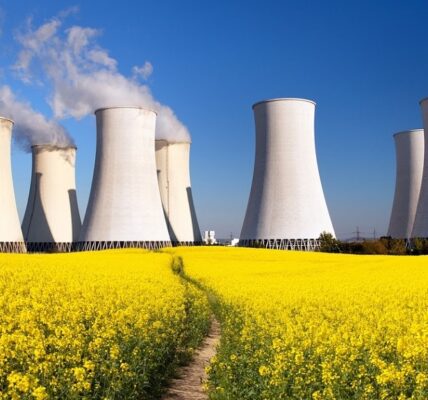
The government will invest US$200 million from January 2027 to prepare Ghana for the construction of its first state-owned nuclear power plant, with a target of signing an engineering, procurement and construction (EPC) agreement by December 2028.
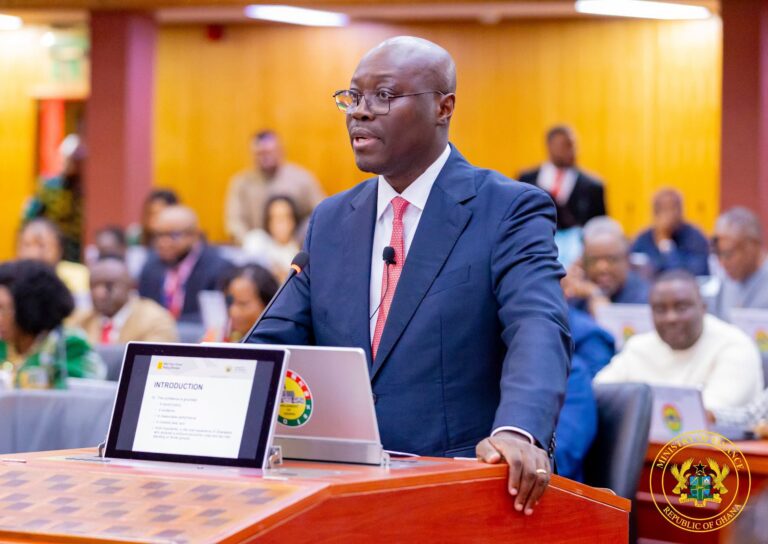
Finance Minister Dr Cassiel Ato Forson, who announced the programme, said the two-year preparatory phase would focus on developing the technical, human resource and institutional capacity required to support the country’s nuclear power ambitions.
The programme is expected to include the training of more than 2,000 scientists and the establishment of the necessary foundations for the development and operation of a nuclear power facility.
In a video message, Dr Forson described the proposed plant as a long-term investment in Ghana’s industrial development, job creation and energy security.
He said a stable and reliable electricity supply would be critical to expanding industrial activities, attracting investment and creating employment opportunities, particularly for the country’s growing youth population.
“This will not happen overnight. But it will serve Ghana for generations: steady power, more factories and more jobs for our young people,” he said.
Government targets December 2028 EPC agreement
Dr Forson said the government was targeting December 2028 to sign the EPC contract for the proposed nuclear power plant.
He explained that the US$200 million investment would be used to complete the preparatory work necessary to move the project towards the construction phase.
The programme, scheduled to run from January 2027 to December 2028, is expected to culminate in an agreement covering the engineering, procurement, construction and financing of the facility.
However, the Minister clarified that completing the preparatory programme and signing the construction agreement would not mean the plant would immediately begin generating electricity.
Rather, the milestone would position Ghana to proceed with the actual construction of the nuclear facility.
The government is targeting 2030 for the integration of its first nuclear power plant into the national electricity generation mix.
Ghanaian state to retain full ownership
The Finance Minister stressed that the proposed nuclear power plant would be wholly owned by the Ghanaian state.
He said ownership of the strategic national energy asset would remain in the hands of the Ghanaian people, underscoring the government’s intention to maintain state control over the facility.
Dr Forson also sought to assure the public that safety considerations would remain central to the project.
He said Ghana would adopt a cautious and phased approach, ensuring that the necessary preparations and safeguards were put in place before proceeding.
“Safety comes first. We will do it carefully, step by step,” he said.
The Minister acknowledged that the project would require several years to materialise but maintained that its long-term benefits would extend beyond the current generation.
Forson invokes Akosombo Dam legacy
Dr Forson drew parallels between the proposed nuclear power project and the construction of the Akosombo Dam under Ghana’s first President, Dr Kwame Nkrumah.
He noted that the dam had provided electricity to the country for generations, demonstrating the importance of investing in major infrastructure projects with long-term national benefits.
According to him, Ghana must demonstrate a similar commitment by undertaking strategic investments that will support future generations.
“It is our turn to build for our children,” he said.
The comparison highlights the government’s stated ambition to make nuclear energy a major component of Ghana’s long-term electricity generation strategy.
Programme announced in 2027 Budget
The nuclear power readiness programme was announced during the presentation of the 2027 Budget Statement to Parliament on November 12, 2026.
The proposed US$200 million allocation will support the two-year preparation period, with activities expected to include scientific training, institutional development and the strengthening of technical capacity.
The initiative forms part of broader efforts to diversify Ghana’s electricity generation sources and secure a reliable energy supply to meet future demand.
Ghana engages Rosatom over nuclear project
The latest announcement follows President John Dramani Mahama’s disclosure in October 2026 that Ghana had begun discussions with Russia’s state-owned nuclear energy corporation, Rosatom, on the establishment of the country’s first nuclear power station.
The discussions form part of Ghana’s efforts to identify a pathway for developing its nuclear energy programme.
With the preparatory phase expected to begin in January 2027, the government is seeking to establish the institutional, technical and human resource capacity needed to advance the project.
If the proposed timeline is achieved, December 2028 will mark a major milestone in Ghana’s nuclear power ambitions, while the targeted 2030 integration date will represent the next stage towards adding nuclear energy to the country’s electricity generation mix.