
NPP joins 4 others in suit against presidential term limit
Growing legal challenge at the Supreme Court
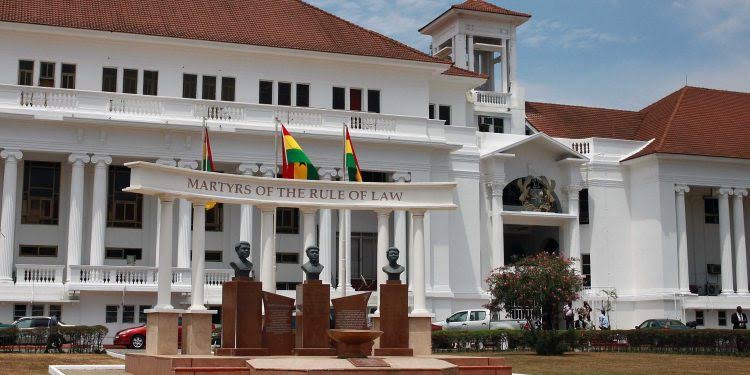
The New Patriotic Party (NPP) has joined four other plaintiffs in mounting a legal challenge at the Supreme Court over aspects of Ghana’s constitutional provisions on presidential term limits. The development adds to a growing list of cases currently before the apex court, all targeting the Attorney-General as the defendant. According to Deputy Attorney-General Justice Srem-Sai, the number of cases filed on the issue has now risen to five, reflecting increasing legal scrutiny of the constitutional framework governing presidential tenure.
List of pending cases
Justice Srem-Sai disclosed the details in a Facebook post, outlining the cases and their filing dates. The pending suits before the Supreme Court are as follows:
- Azubila E. Salam v The Attorney-General (J1/4/2026) – filed December 23, 2025
- Kenneth K.A. Kuranchie v The Attorney-General (J1/20/2026) – filed June 30, 2026
- Ganiwu Alhassan v The Attorney-General (J1/21/2026) – filed July 9, 2026
- Eric Appiah v The Attorney-General (J1/26/2026) – filed July 20, 2026
- New Patriotic Party v The Attorney-General (J1/27/2026) – filed July 30, 2026
These cases collectively challenge or seek interpretation of constitutional provisions relating to the tenure and term limits of the President of Ghana.
Latest filing by the NPP
The most recent addition to the docket is the suit filed by the New Patriotic Party on July 30, 2026. Its entry into the legal fray places the opposition party alongside individual litigants who have already brought similar actions before the court. Justice Srem-Sai’s disclosure highlights the expanding nature of the litigation, with both political and private actors now engaging the Supreme Court on the matter.
Government proposal sparks debate
The surge in court action comes in the wake of a government paper proposing changes to Ghana’s presidential term limits. The proposal has reignited national debate over the constitutional structure governing executive tenure, drawing both political and legal attention.
The discussions surrounding the proposal appear to have influenced the recent wave of filings, as stakeholders seek judicial clarity on the interpretation and application of the relevant constitutional provisions.
Attorney-General to respond
All five cases name the Attorney-General as the defendant, requiring the state’s chief legal officer to respond to the claims as proceedings continue at the Supreme Court.
As the matters are now before the apex court, the substantive arguments and reliefs being sought by the plaintiffs will be determined through the judicial process. The cases are expected to contribute significantly to the legal interpretation of presidential term limits in Ghana.