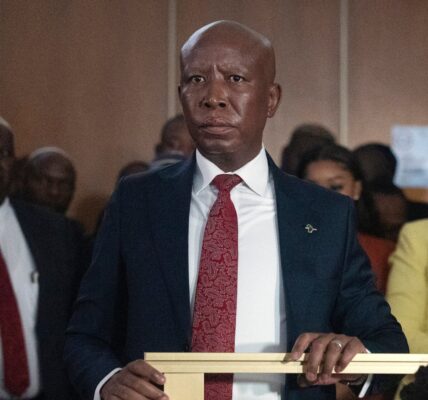

Supreme Court dismisses suit challenging OSP’s prosecutorial powers
Court Upholds Constitutionality of OSP
The Supreme Court has unanimously dismissed a constitutional challenge against the prosecutorial powers of the Office of the Special Prosecutor (OSP), affirming that the anti-corruption institution was lawfully established under the Office of the Special Prosecutor Act, 2017 (Act 959). In its ruling delivered on Wednesday, July 29, the apex court held that Act 959 is consistent with the 1992 Constitution, thereby preserving the legal foundation of the OSP as one of Ghana’s key anti-corruption agencies.
Attorney-General Retains Supervisory Authority
While upholding the constitutionality of the OSP, the Supreme Court clarified that the Attorney-General retains the constitutional authority under Article 88 of the Constitution to discontinue criminal prosecutions initiated by the Office of the Special Prosecutor.
The court said the Attorney-General’s constitutional mandate includes the power to terminate prosecutions undertaken by the OSP, reinforcing the Attorney-General’s supervisory role in criminal prosecutions.
Legal Challenge
The case was initiated by private legal practitioner Noah Adamtey, who argued that Parliament exceeded its constitutional mandate by establishing the OSP with prosecutorial powers independent of the Attorney-General.
According to the plaintiff, Article 88 of the Constitution exclusively vests prosecutorial authority in the Attorney-General, making it unconstitutional for Parliament to confer similar powers on another institution through an Act of Parliament without first amending the Constitution.
Attorney-General’s Position
During the proceedings, the Attorney-General supported the constitutional argument advanced by the plaintiff, maintaining that although prosecutorial functions could be delegated, they must remain under the control and supervision of the Attorney-General rather than being exercised independently by a statutory body.
OSP Denied Participation
The Office of the Special Prosecutor sought to join the proceedings as an interested party. However, the Supreme Court declined the application, ruling that the constitutional questions before it could be adequately determined by the existing parties. The court, however, admitted several civil society organisations to participate in the proceedings, acknowledging their longstanding contributions to governance and anti-corruption advocacy.
Court Affirms Parliament’s Authority
After considering the arguments, the Supreme Court concluded that Parliament acted within its constitutional powers in establishing the Office of the Special Prosecutor as an independent anti-corruption institution under Act 959. The court nevertheless emphasized that the Attorney-General’s constitutional powers remain unaffected, including the authority to discontinue prosecutions commenced by the OSP under Article 88.
Decision Brings Constitutional Clarity
The ruling is expected to provide long-awaited judicial clarity on the constitutional relationship between the Attorney-General and the Office of the Special Prosecutor. By affirming the validity of the OSP while preserving the Attorney-General’s supervisory powers, the decision settles a significant constitutional question and strengthens the legal framework governing Ghana’s anti-corruption architecture.