
75% of STC buses hijacked by NPP cronies -Board Chair
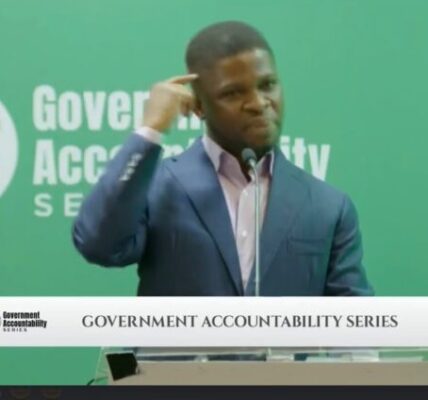
In a revealing interview on Fakye TV’s Daybreak show, Augustus Andrews Nana Kwasi painted a stark picture of the state of InterCity STC Coaches Limited when the National Democratic Congress (NDC) assumed office on January 7, 2025. According to him, the once-prominent state transport company had been reduced to what he described as a “skeleton.” The fleet was depleted, operational strength weakened, and key assets either missing or no longer under direct government control.
“The STC we came to meet was a skeleton,” Nana Kwasi said, emphasizing that the company’s foundation had been severely eroded before the transition of power.
Allegations of hijacked assets
Nana Kwasi did not mince words when assigning blame. He alleged that under the previous administration led by the New Patriotic Party (NPP), critical STC assets were handed over to private individuals—many of whom he described as political associates.
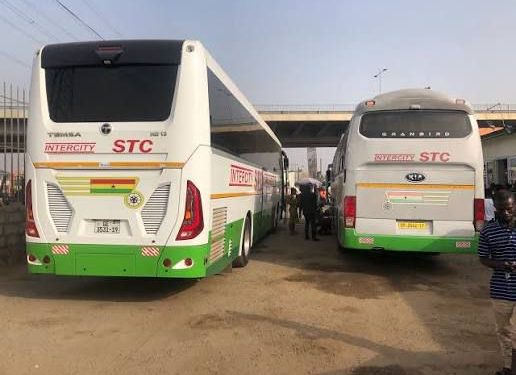
Among the most concerning claims was that approximately 75% of buses operating under the STC brand are not government-owned. Instead, they belong to private operators who continue to benefit from the company’s name and infrastructure.
“Buses give STC more cash, but they broke it down and gave it to private individuals,” he stated, suggesting a deliberate strategy to weaken the state’s hold over the transport sector.
Private control behind a public brand
Pressed further during the interview by host Kojo Marfo, Nana Kwasi clarified what he meant by “private people.”
He alleged that rather than investing in new government-owned buses, the previous administration allowed privately owned buses to dominate STC’s operations—many of them branded as STC despite not belonging to the state.
“As we speak, STC buses belonging to the government are less than 35,” he revealed. “The remaining belong to private people.” This, he argued, meant that while the STC name remained visible to the public, much of the revenue generated was flowing into private hands instead of the state.
Lost infrastructure and strategic neglect
Beyond the buses, Nana Kwasi claimed that essential infrastructure had also been lost. A notable example was a driver training school, which he alleged had been transferred to private control.
He accused the NPP administration of neglecting long-term investment in the company, particularly in fleet expansion. Instead of strengthening STC’s capacity, he claimed, policies favored private participation at the expense of public ownership.
“They wanted to collapse STC,” he asserted, framing the situation as more than mismanagement—suggesting intentional weakening of the institution.
The Terminal Controversy
The discussion also turned to STC terminals, particularly in the Ashanti Region. Locations such as Adum and Asafo Market were mentioned, alongside a newer terminal at Labour Tool. Nana Kwasi clarified that the Labour terminal is privately owned, even though it had previously been branded under STC.
“When I became board chair, I said no—if it does not belong to STC, the name should be removed,” he explained.
This move, he said, was part of broader efforts to reclaim the company’s identity and ensure that its brand is not used to generate private profit without state benefit.
A plan to reclaim STC
Despite the grim assessment, Nana Kwasi struck a forward-looking tone. He emphasized that efforts are underway to rebuild STC by increasing the number of government-owned buses and restoring full control over operations.
The ultimate goal, he said, is to ensure that revenues generated under the STC banner return to the state rather than private individuals.
“Now we are trying to have more buses so the money will come to the government,” he concluded.
A Company at a Crossroads
The revelations highlight a critical moment for STC—caught between its legacy as a national transport backbone and the realities of privatized operations under its name.
Whether the current administration can reverse the trend and rebuild the company remains to be seen. But one thing is clear from Nana Kwasi’s account: the battle over STC is not just about buses—it is about ownership, accountability, and the future of public assets in Ghana.