Operation SECOBOR: GIS Board unveils new dawn for Ghana’s border security

Operation SECOBOR: GIS Board unveils new dawn for Ghana’s border security
At the heart of Ghana’s national security conversation, a bold and forward-looking initiative is taking shape. The Governing Council of the Ghana Immigration Service (GIS) has unveiled plans for an ambitious project dubbed Operation Secure Our Borders (SECOBOR)—a public-private partnership aimed at transforming border management while addressing long-standing challenges within the Service.
A Strategic Engagement at Jubilee House
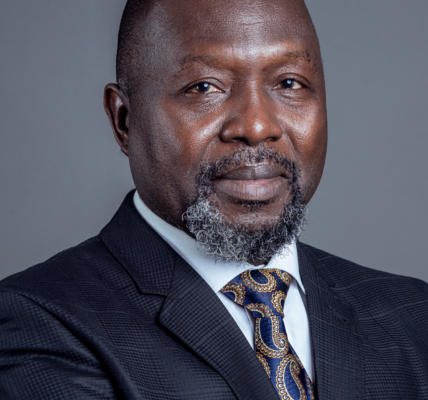
The vision for SECOBOR was formally presented during a high-level meeting at Jubilee House, where the Chairman of the GIS Governing Council, Rev. Stephen Yenusom Wengam, led a delegation to brief President John Mahama. The discussion centered on the Service’s strategic direction, emerging priorities, and the urgent need for reforms to strengthen Ghana’s border security architecture. Rev. Wengam expressed confidence that SECOBOR would significantly enhance the operational capacity of the GIS, positioning it as a stronger force in safeguarding national security and supporting economic development.
Border Vulnerabilities and National Risks
Highlighting the urgency of the initiative, Rev. Wengam pointed to persistent weaknesses in border control systems. According to him, these gaps continue to expose the country to serious threats such as smuggling, human trafficking, and illicit trade.
“These activities pose direct threats to national security and public safety,” he noted, emphasizing that inadequate resources and logistical constraints further worsen the situation. The ripple effects, he explained, include loss of government revenue, disruption of local industries, and weakened legitimate commerce.
Funding Challenges and a Bold Proposal
A major concern raised during the briefing was the financial limitation facing the GIS. Rev. Wengam proposed that the Service be allowed to retain at least 80% of its internally generated funds (IGF) for a five-year period to address critical operational needs.
He revealed that in 2025 alone, the GIS generated over GH₵546 million, but retained only 40% of that amount. Of the retained portion, a significant 25% was allocated to the construction of the National Headquarters complex, leaving just 15% for day-to-day administrative and operational activities. According to him, increased retention would help resolve pressing issues such as lack of accommodation, vehicles, and motorbikes for officers—challenges that directly impact efficiency and morale.
Digital Transformation and the 24-Hour Economy
As part of its modernization agenda, the GIS is preparing to roll out an electronic visa system in collaboration with relevant government agencies. This move aligns with broader efforts to digitize operations and support Ghana’s vision of a resilient 24-hour economy.
Rev. Wengam stressed that such an economy depends heavily on secure, efficient, and continuously operating borders. However, he noted a significant gap: out of Ghana’s 48 approved border crossing points, only 12 are currently automated. Closing this gap, he argued, is critical to ensuring seamless trade, travel, and security operations.
Government’s Commitment to Reform
In response, President Mahama reaffirmed his government’s commitment to strengthening the Ghana Immigration Service. He assured the delegation that efforts are underway to resolve logistical challenges and improve the working conditions of officers.
“We stand firmly behind efforts to retool and modernize the GIS,” the President stated, underscoring the importance of equipping officers to effectively carry out their mandate. He also commended Rev. Wengam for his track record of impactful leadership, referencing his previous work at the Ghana Prisons Service and his current role in championing SECOBOR.
Improving Welfare and Expanding Infrastructure
Adding to the discussion, the Minister of the Interior, Hon. Alhaji Muntaka Mohammed-Mubarak, emphasized the urgent need to improve the welfare and accommodation of immigration officers, especially those stationed in remote and high-risk areas.
In a significant announcement, he revealed that seven new regional immigration offices are currently under construction across the country. These facilities are expected to bring services closer to citizens while strengthening border management systems nationwide.
Looking Ahead
Operation SECOBOR represents more than just a policy initiative—it is a comprehensive response to the evolving security and economic demands of the nation. If successfully implemented, it could redefine how Ghana secures its borders, supports its officers, and positions itself within regional and global frameworks. As the country moves forward, the collaboration between government, private sector stakeholders, and the GIS will be crucial in turning this vision into reality.