
Inflation for May 2026 hits 3.7%
Ghana’s Inflation Rate Records Second Consecutive Increase Ghana’s inflation rate increased to 3.7 per cent in May 2026, marking the second straight month of rising consumer prices, according to the latest Consumer Price Index (CPI) report released by the Ghana Statistical Service. The latest data indicate that inflation rose from 3.4 per cent in April 2026 to 3.7 per cent in May 2026, representing a marginal increase of 0.3 percentage points. While the increase is relatively modest, it signals a continuation of the upward trend observed in recent months.
CPI shows growth in consumer prices
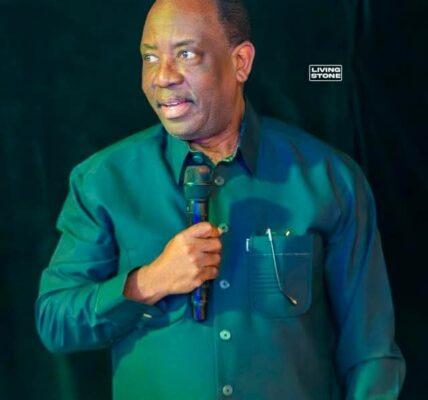
Presenting the figures, Dr. Alhassan Iddrisu explained that the Consumer Price Index climbed to 270.2 in May 2026, compared with 260.5 recorded during the same period in 2025. The CPI measures changes in the average prices paid by consumers for goods and services over time and serves as a key indicator of inflationary trends within the economy. The increase in the index reflects the gradual rise in the overall cost of living across the country.
Inflation remains significantly lower than last year
Despite the recent increase, inflation remains substantially below the level recorded a year earlier. In May 2025, Ghana’s inflation rate stood at 18.4 per cent, highlighting the significant progress made in controlling price pressures over the past twelve months. The sharp decline from double-digit inflation to the current single-digit rate points to improved macroeconomic stability and stronger price management within the economy. Analysts view the current inflation environment as considerably more favorable for households and businesses than the conditions experienced a year ago.
Relief for consumers and household budgets
According to Dr. Iddrisu, the sustained reduction in inflation over the past year has helped ease financial pressure on consumers. Lower inflation generally means that prices are rising at a slower pace, allowing households to better manage their spending and maintain purchasing power. The improved inflation outlook has also contributed to greater economic confidence, providing relief to families that previously faced steep increases in the cost of essential goods and services.
Authorities urge continued vigilance
While the overall inflation picture remains positive, the Government Statistician cautioned against complacency. He noted that the latest figures suggest a modest build-up in price increases that warrants close observation in the coming months.
Economic policymakers and market observers will be monitoring future inflation data to determine whether the recent increases represent a temporary adjustment or the beginning of a broader upward trend in consumer prices.
Monthly inflation reflects rising cost of goods and services
On a month-to-month basis, consumer prices increased by 1.1 per cent between April and May 2026. This monthly rise indicates that the cost of goods and services continued to edge upward during the period, contributing to the higher annual inflation rate. Although the increase remains moderate, it underscores the need for ongoing monitoring of price developments to ensure that inflation remains within manageable levels.
Outlook
The May 2026 inflation figures present a mixed but largely encouraging picture for Ghana’s economy. While inflation has risen for a second consecutive month, the overall rate remains significantly lower than last year’s levels, suggesting that price stability has improved considerably. Going forward, maintaining this stability while managing emerging inflationary pressures will be crucial to supporting economic growth, protecting consumer purchasing power, and sustaining confidence in the economy.