
Ghana media tour deepens understanding of nuclear energy and safety
Media Practitioners Equipped with Nuclear Energy Knowledge
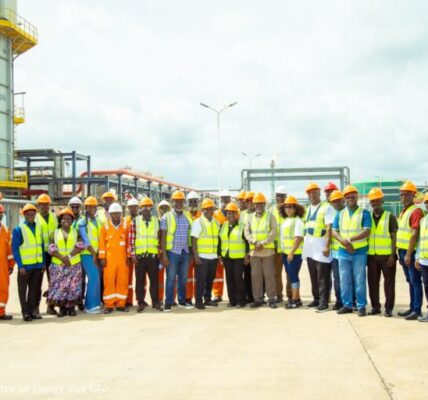
The Ghana Media on Nuclear Energy Tour, organised by Nuclear Power Ghana, has provided journalists with valuable insight into the country’s nuclear power programme and the safety measures surrounding nuclear energy. The tour, which began at 9:30 a.m. on Wednesday, August 18, 2026, was aimed at sensitising and equipping media practitioners with accurate information needed to educate the public about Ghana’s nuclear power project. Over 30 media practitioners participated in the tour, which ended at 4:00 p.m. The programme took participants through key facilities involved in nuclear power development, research, training and safety.
Simulation Demonstrates Nuclear Power Safety
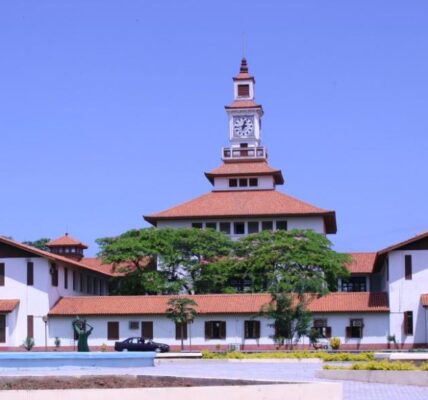
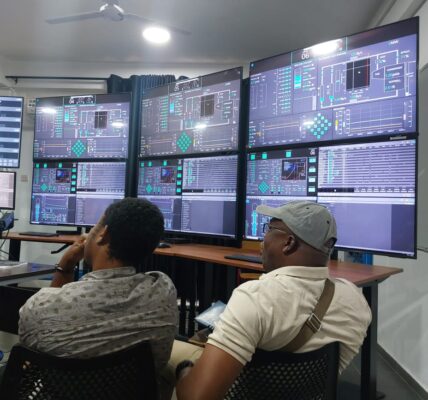
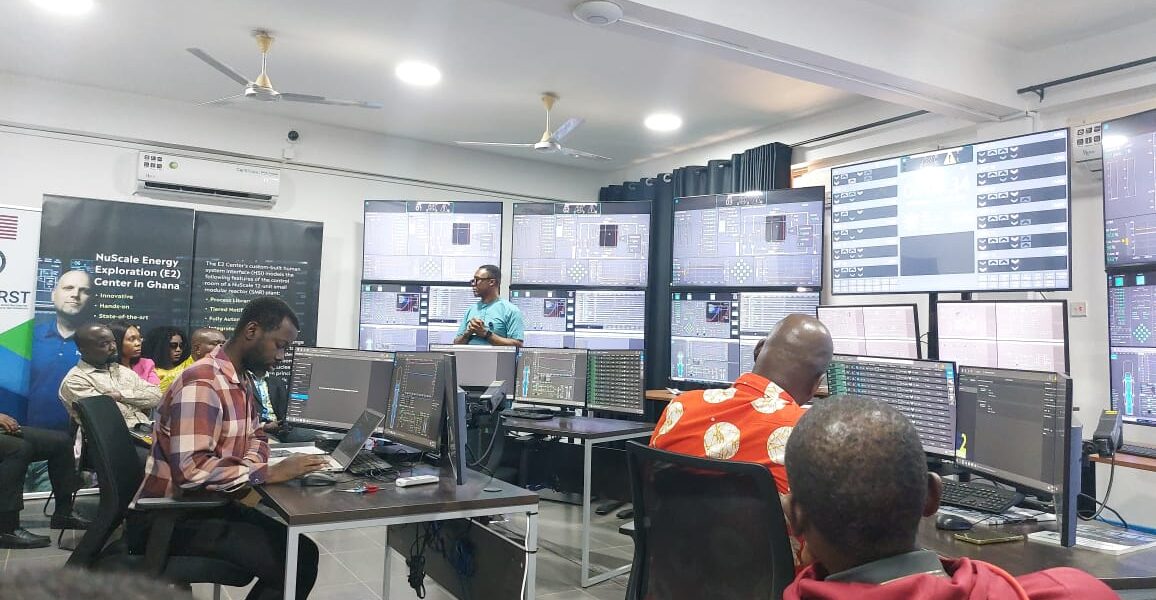
The first stop was at the School of Nuclear and Allied Sciences (SNAS), often referred to as the Graduate School of Nuclear and Allied Sciences, located in Atomic-Kwabenya, Accra. Established in 2006 by the Ghana Atomic Energy Commission (GAEC) in collaboration with the University of Ghana and the International Atomic Energy Agency (IAEA), it provides graduate-level education and specialized training in nuclear science, technology, and medical physics, where the journalists were taken through a simulation of how nuclear power is generated, harnessed and transmitted for consumption. The simulation center featured screens that provided a visual demonstration of the various stages involved in nuclear power generation. The journalists were also introduced to the systems designed to ensure the safety and stability of a nuclear power plant under different circumstances.
One of the major demonstrations focused on what could happen during a natural disaster, particularly a severe earthquake. The simulation showed that the nuclear power system is designed to respond automatically to such an emergency without requiring immediate human intervention.
When an earthquake scenario was simulated, the system demonstrated its ability to control itself and enter a safe condition. Although a severe earthquake could result in a total blackout, the demonstration indicated that the nuclear facility itself would not necessarily suffer damage or malfunction simply because of the loss of external power.
The demonstration therefore sought to reassure the public that appropriate safety mechanisms are incorporated into nuclear power systems and that emergencies are anticipated in the design and operation of such facilities.
Reliability, Affordability and Efficiency Highlighted
Beyond safety, the journalists were also exposed to the potential benefits of nuclear energy. The tour highlighted nuclear power as a reliable and efficient source of electricity capable of supporting the country’s long-term energy needs.
Participants were informed about the importance of nuclear power in providing a stable supply of electricity while contributing to the diversification of Ghana’s energy mix. The information provided during the tour was intended to enable journalists to report on nuclear energy based on facts rather than misconceptions and unfounded fears.
Visit to Ghana Atomic Energy Commission
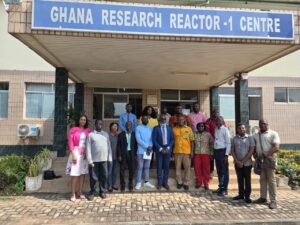
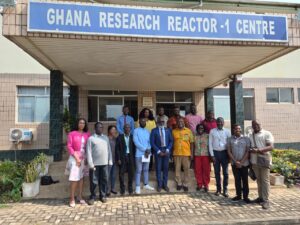
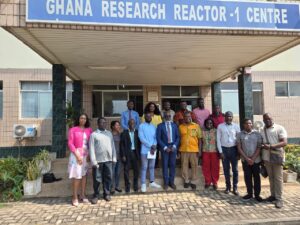
The second part of the tour took the media practitioners to the Ghana Atomic Energy Commission, where they were introduced to the operation and applications of nuclear reactors. At the Commission, participants observed how reactors work and learned about the regulation and safe handling of radioactive materials. They were also introduced to the various practical applications of nuclear technology beyond electricity generation.
Among the applications discussed were forensic substance analysis as well as the analysis of food and water. These applications demonstrate the wider role nuclear science and technology play in areas such as scientific research, public safety, health and national development.
The journalists were also taken through important precautions associated with the operation of reactors and the handling of radioactive materials, reinforcing the importance of strict safety procedures in nuclear-related activities.
Ghana’s Position as a Centre for Nuclear Training
A notable revelation during the tour was that both the simulator demonstrated to the journalists and the reactor facility visited are described as the first of their kind in Africa. This development places Ghana in an important position within the continent’s nuclear science and technology landscape. The facilities serve as training and research centres, attracting students, scientists and researchers who seek practical knowledge and experience in nuclear power and reactor technology.
The facilities therefore have significance beyond Ghana’s nuclear power programme, offering opportunities for capacity building and the development of expertise in nuclear science across Africa.
Media Practitioners Welcome the Initiative
At the end of the tour, the participating media practitioners expressed appreciation for the opportunity to gain first-hand knowledge about nuclear energy and the systems associated with its safe use. The tour equipped journalists with information on nuclear power reliability, emergency response systems, the responsibilities of the relevant radioactive materials regulatory authorities, and the various applications of nuclear reactors in Ghana.
For the media, the experience provided an opportunity to move beyond theoretical discussions and witness demonstrations and facilities connected to nuclear technology.
The Ghana Media on Nuclear Energy Tour officially came to an end at 4:00 p.m., leaving participants better informed and better positioned to help the public understand Ghana’s nuclear power ambitions, its safety measures and the wider benefits of nuclear science and technology.
Source: African Editors